Our 61 Broadway office has moved to 55 Broadway #602

How Bunions Affect the Feet

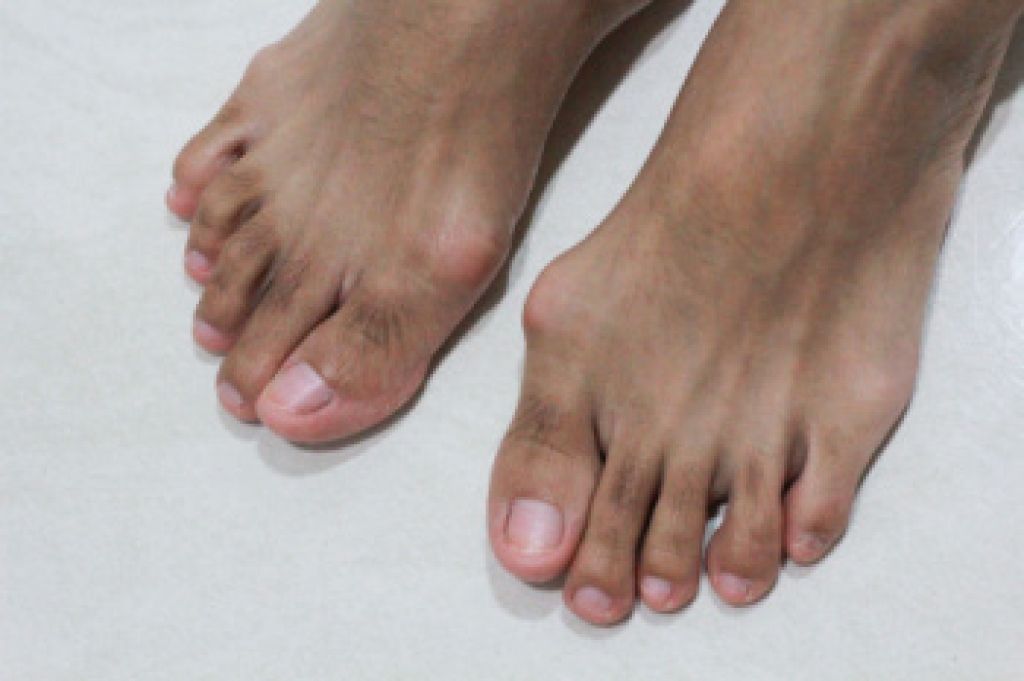
A bunion is a common foot deformity that develops when the joint at the base of the big toe shifts out of alignment. The big toe may gradually move toward the smaller toes while the joint becomes more prominent along the inside of the foot. Bunions can form slowly, and early changes may not cause much discomfort. Genetics, foot structure, and long-term pressure from footwear may increase the risk. Narrow shoes can make symptoms more noticeable, but they are not the only cause.

Bunion symptoms can vary from person to person. A visible bump is often the first sign. Pain may develop around the big toe joint, especially while walking or standing. Some people notice redness, swelling, or irritation where shoes rub against the bunion. As the toe becomes less aligned, the foot may distribute weight differently. This can contribute to imbalance and an impaired gait. You may change how you step to avoid pressure, which can place extra stress on other parts of the foot.

A podiatrist can examine the foot, review your symptoms, and assess alignment and movement. X-rays may be used to evaluate the bones and determine the severity of the deformity. Treatment often begins with wearing better-fitting shoes, protective padding, and activity adjustments. A podiatrist may also recommend custom orthotics to improve support and pressure distribution. If pain remains severe or the bunion progresses, surgical correction may be considered. The appropriate procedure depends on the bunion and surrounding joints.

Getting attention early can help you understand what is causing your foot pain and what treatment options may be appropriate. A podiatrist can monitor changes and create a plan based on your needs. If you have a bunion, it is suggested that you consult a podiatrist for effective relief and management solutions. 

If you are suffering from bunion pain, contact one of our podiatrists of William Street Podiatry. Our doctors can provide the care you need to keep you pain-free and on your feet.

What Is a Bunion?

Bunions are painful bony bumps that usually develop on the inside of the foot at the joint of the big toe. As the deformity increases over time, it may become painful to walk and wear shoes. Women are more likely to exacerbate existing bunions since they often wear tight, narrow shoes that shift their toes together. Bunion pain can be relieved by wearing wider shoes with enough room for the toes.

Causes

  • Genetics – some people inherit feet that are more prone to bunion development
  • Inflammatory Conditions - rheumatoid arthritis and polio may cause bunion development

Symptoms

  • Redness and inflammation
  • Pain and tenderness
  • Callus or corns on the bump
  • Restricted motion in the big toe

In order to diagnose your bunion, your podiatrist may ask about your medical history, symptoms, and general health. Your doctor might also order an x-ray to take a closer look at your feet. Nonsurgical treatment options include orthotics, padding, icing, changes in footwear, and medication. If nonsurgical treatments don’t alleviate your bunion pain, surgery may be necessary.

If you have any questions, please feel free to contact one of our offices located in William Street in New York, NY, Forest Hills, NY, and Broadway in New York, NY . We offer the newest diagnostic and treatment technologies for all your foot care needs.

Read more about What Are Bunions?

Fracture Blisters Around the Ankle

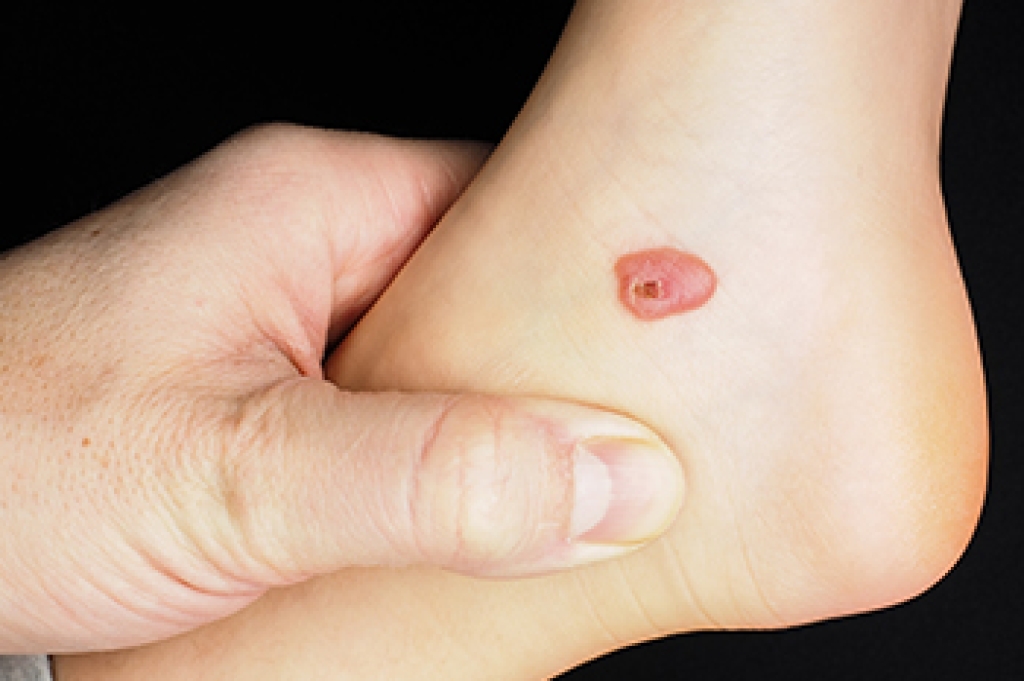
Fracture blisters are fluid-filled bubbles that develop on the skin after a significant injury causes swelling beneath the surface. They can occur around the ankle when a fracture damages underlying tissues and triggers rapid swelling. Unlike ordinary blisters caused by rubbing, fracture blisters develop because the injury disrupts the connection between skin layers. They may appear within hours or several days after the initial trauma. Common symptoms include raised skin bubbles and tightness around the injured area. Some blisters contain clear fluid, while others have blood inside. Recognizing fracture blisters is important because they indicate substantial tissue damage and may affect how an ankle injury is treated.

Fracture blisters most often develop after injuries that cause severe swelling, including ankle fractures and other breaks near the joints. The force of the injury damages small blood vessels and separate layers of skin, allowing fluid to collect. As swelling increases, pressure beneath the skin may contribute to blister formation. Risk factors include high-energy injuries, substantial soft-tissue damage, and fractures that cause marked swelling. Blisters may also be more likely when the skin around the ankle is under considerable tension. Because the ankle has relatively little soft tissue covering some areas, swelling after a fracture places added stress on the surrounding skin.


Symptoms of fracture blisters usually develop near the injured area, where the skin may look stretched or shiny before bubbles appear. Clear-fluid blisters are often called clear or serous blisters, while blood-filled blisters tend to look dark red or purple. The surrounding ankle may remain swollen and painful because of the original fracture. These blisters can complicate treatment if the skin becomes damaged or an operation is being considered. Do not pop, cut, or drain a fracture blister yourself, since doing so increases the risk of infection. Keep the area protected and follow instructions for supporting the injured ankle. 


A podiatrist assesses the ankle injury, examines the surrounding skin, and arranges X-rays to evaluate a suspected fracture. Treatment depends on the fracture and the condition of the skin. The podiatrist may recommend immobilization, protective dressings, and careful monitoring of swelling. If you develop a fracture blister on your ankle, it is suggested that you consult a podiatrist for effective treatment solutions.

Blisters are prone to making everyday activities extremely uncomfortable. If your feet are hurting, contact one of our podiatrists of William Street Podiatry. Our doctors can provide the care you need to keep you pain-free and on your feet.

Foot Blisters

Foot blisters develop as a result of constantly wearing tight or ill-fitting footwear. This happens due to the constant rubbing from the shoe, which can often lead to pain.

What Are Foot Blisters?

A foot blister is a small fluid-filled pocket that forms on the upper-most layer of the skin. Blisters are filled with clear fluid and can lead to blood drainage or pus if the area becomes infected.

How Do Blisters Form?

Blisters on the feet are often the result of constant friction of skin and material, usually by shoe rubbing. Walking in sandals, boots, or shoes that don’t fit properly for long periods of time can result in a blister. Having consistent foot moisture and humidity can easily lead to blister formation.

Prevention & Treatment

It is important to properly care for the affected area in order to prevent infection and ease the pain. Do not lance the blister and use a Band-Aid to provide pain relief. Also, be sure to keep your feet dry and wear proper fitting shoes. If you see blood or pus in a blister, seek assistance from a podiatrist.

If you have any questions, please feel free to contact one of our offices located in William Street in New York, NY, Forest Hills, NY, and Broadway in New York, NY . We offer the newest diagnostic and treatment technologies for all your foot care needs.

Read more about Blisters

Athlete’s Foot and Podiatric Care

Athlete’s foot is a fungal skin infection that causes uncomfortable changes to the feet. It develops when fungus grows in warm, damp conditions, especially between the toes. The infection can also affect the soles and heels, where skin becomes dry and flaky. Symptoms include itching, redness, and peeling skin. Some patients develop blisters or painful cracks. Athlete’s foot can spread through contact with infected skin or contaminated surfaces. Public showers, swimming pools, and changing rooms are places where the fungus can spread. Despite its name, this infection affects more than athletes.

The appearance of athlete’s foot depends on where the infection develops. Skin between the toes may look white and soggy, while the heels can become rough and scaly. Cracks in the skin sometimes make standing or walking uncomfortable. The fungus can spread to the toenails, causing them to become thick or yellow. Nail infections can be harder to clear than skin infections. Athlete’s foot can spread to other areas of the body through contact. People with sweaty feet face a greater risk because moisture encourages fungal growth. Persistent symptoms deserve attention before the infection becomes more difficult to treat.

A podiatrist can examine the affected skin and determine whether athlete’s foot is causing the symptoms. Treatment depends on the location and severity of the infection. A podiatrist can recommend an antifungal cream or spray and explain how long treatment should continue. More severe infections can require prescription antifungal tablets. When the fungus reaches the toenails, a podiatrist can assess the nails and reduce their thickness to support treatment. The podiatrist can identify factors that encourage repeated infections and discuss ways to lower future risk. If you have symptoms of athlete’s foot, it is suggested that you schedule an appointment with a podiatrist for a diagnosis and appropriate treatment, which may include prescribed medication.

Athlete’s Foot

Athlete’s foot is often an uncomfortable condition to experience. Thankfully, podiatrists specialize in treating athlete’s foot and offer the best treatment options. If you have any questions about athlete’s foot, consult with one of our podiatrists from William Street Podiatry. Our doctors will assess your condition and provide you with quality treatment.

What Is Athlete’s Foot?

Tinea pedis, more commonly known as athlete’s foot, is a non-serious and common fungal infection of the foot. Athlete’s foot is contagious and can be contracted by touching someone who has it or infected surfaces. The most common places contaminated by it are public showers, locker rooms, and swimming pools. Once contracted, it grows on feet that are left inside moist, dark, and warm shoes and socks.

Prevention

The most effective ways to prevent athlete’s foot include:

  • Thoroughly washing and drying feet
  • Avoid going barefoot in locker rooms and public showers
  • Using shower shoes in public showers
  • Wearing socks that allow the feet to breathe
  • Changing socks and shoes frequently if you sweat a lot

Symptoms

Athlete’s foot initially occurs as a rash between the toes. However, if left undiagnosed, it can spread to the sides and bottom of the feet, toenails, and if touched by hand, the hands themselves. Symptoms include:

  • Redness
  • Burning
  • Itching
  • Scaly and peeling skin

Diagnosis and Treatment

Diagnosis is quick and easy. Skin samples will be taken and either viewed under a microscope or sent to a lab for testing. Sometimes, a podiatrist can diagnose it based on simply looking at it. Once confirmed, treatment options include oral and topical antifungal medications.

If you have any questions, please feel free to contact one of our offices located in William Street in New York, NY, Forest Hills, NY, and Broadway in New York, NY . We offer the newest diagnostic and treatment technologies for all your foot care needs.

Read more about Athlete’s Foot

Benefits of Minimally Invasive Foot and Ankle Surgery

Minimally invasive foot and ankle surgery uses small incisions and instruments to treat certain conditions while limiting disruption to nearby tissues. Depending on the procedure, this type of surgery may be considered for bunions, hammertoes, and other problems that do not improve with conservative care. Symptoms leading to surgery can include pain, swelling, or difficulty walking. The goal is to correct the problem while helping the foot or ankle heal.

There are several potential benefits to minimally invasive surgery. Smaller incisions may create smaller, more pleasing scars than traditional surgical approaches. Less disruption to surrounding tissue may support a faster recovery for some patients. Patients may also experience reduced post-operative pain and decreased post-operative joint stiffness. However, results vary based on the condition, procedure, and individual health. Not every foot or ankle problem can be treated with a minimally invasive approach.

Risk factors for complications include diabetes, smoking, and medical conditions that affect healing. A podiatrist will review your health history and examine the affected area before recommending surgery. Imaging tests may be used to understand bone alignment or joint changes. If surgery is appropriate, the podiatrist explains the procedure, expected recovery, and aftercare. Treatment may also include protective footwear, wound care, and follow-up visits.

After surgery, following your podiatrist's instructions is an important part of recovery. The foot may need protection while tissues heal, and activity may need to increase gradually. Follow-up appointments allow the podiatrist to check the incision, swelling, and progress. Keeping the surgical area clean and reporting unusual drainage, increasing redness, or worsening pain can help address concerns. If you have a foot or ankle condition that could benefit from minimally invasive surgery, it is suggested that you consult a podiatrist who can determine if this type of foot surgery is right for you.

Foot surgery is sometimes necessary to treat a foot ailment. To learn more, contact one of our podiatrists of William Street Podiatry. Our doctors will assist you with all of your foot and ankle needs.

When Is Surgery Necessary?

Foot and ankle surgery is generally reserved for cases in which less invasive, conservative procedures have failed to alleviate the problem. Some of the cases in which surgery may be necessary include:

  • Removing foot deformities like bunions and bone spurs
  • Severe arthritis that has caused bone issues
  • Cosmetic reconstruction

What Types of Surgery Are There?

The type of surgery you receive will depend on the nature of the problem you have. Some of the possible surgeries include:

  • Bunionectomy for painful bunions
  • Surgical fusion for realignment of bones
  • Neuropathy decompression surgery to treat nerve damage

Benefits of Surgery

Although surgery is usually a last resort, it can provide more complete pain relief compared to non-surgical methods and may allow you to finally resume full activity.

Surgical techniques have also become increasingly sophisticated. Techniques like endoscopic surgery allow for smaller incisions and faster recovery times.

If you have any questions, please feel free to contact one of our offices located in William Street in New York, NY, Forest Hills, NY, and Broadway in New York, NY . We offer the newest diagnostic and treatment technologies for all your foot care needs.

Read more about Foot and Ankle Surgery

Connect With Us