Our 61 Broadway office has moved to 55 Broadway #602

Foot and Ankle Trauma Needs Prompt Medical Attention

Foot and ankle trauma can happen in a fall, sports mishap, or auto accident. During a crash, most people tense and brace for impact. The feet and ankles can absorb force from the collision and body weight. Each foot has 26 bones, plus joints, muscles, and soft tissues that support balance and movement. Damage to these structures can make standing or walking painful. Warning signs include pain, swelling, and changes in the foot’s shape. Numbness, weakness, or skin-color changes deserve attention because some injuries can worsen quickly.

Serious trauma can affect several areas of the foot. For instance, the force of an auto accident can injure the toes, middle foot, or heel when loose objects strike or crush the foot. The damage can involve puncture wounds, soft-tissue injuries, or broken and dislocated bones. A Lisfranc injury affects bones or joints in the middle of the foot and can cause lasting pain or poor balance when untreated. A heel bone fracture can happen when a strong impact crushes or breaks the heel. These problems can limit mobility and raise the risk of arthritis, infection, or an abnormal walking pattern.

A podiatrist can examine the injured area and check circulation and nerve function. X-rays and other imaging is ordered to find the type and severity of damage. Treatment options include a cast, a special boot, or supportive shoes. Some fractures, crushed bones, and severe joint injuries require surgery to restore alignment and stability. Early care can help protect movement and reduce the chance of long-term pain. Do not delay an evaluation because swelling or pain seems manageable at first. If you have foot or ankle trauma from a fall or accident, it is suggested that you promptly schedule an appointment with a podiatrist for a diagnosis and appropriate treatment.

Foot and ankle trauma is common among athletes and the elderly. If you have concerns that you may have experienced trauma to the foot and ankle, consult with one of our podiatrists from William Street Podiatry. Our doctors will assess your condition and provide you with quality foot and ankle treatment.

Foot and ankle trauma cover a range of injuries all over the foot; common injuries include:

  • Broken bones
  • Muscle strains
  • Injuries to the tendons and ligaments
  • Stress fractures

Symptoms

Symptoms of foot and ankle injuries vary depending on the injury, but more common ones include:

  • Bruising
  • Inflammation/ Swelling
  • Pain

Diagnosis

To properly diagnose the exact type of injury, podiatrists will conduct a number of different tests. Some of these include sensation and visual tests, X-rays, and MRIs. Medical and family histories will also be taken into account.

Treatment

Once the injury has been diagnosed, the podiatrist can than offer the best treatment options for you. In less severe cases, rest and keeping pressure off the foot may be all that’s necessary. Orthotics, such as a specially made shoes, or immobilization devices, like splints or casts, may be deemed necessary. Finally, if the injury is severe enough, surgery may be necessary.

If you have any questions, please feel free to contact one of our offices located in William Street in New York, NY, Forest Hills, NY, and Broadway in New York, NY . We offer the newest diagnostic and treatment technologies for all your foot care needs.


Read more about Foot and Ankle Trauma

Tarsal Tunnel Syndrome and Nerve Pain in the Foot

Tarsal tunnel syndrome is a nerve condition that develops when the posterior tibial nerve becomes compressed as it travels through a narrow passage near the inside of the ankle. This tunnel is located between the ankle bone and the surrounding soft tissues, with the nerve continuing into the foot. When pressure affects the nerve, symptoms can develop along the inner ankle, heel, and bottom of the foot. People may experience tingling, numbness, or shooting pain. 

Several factors can contribute to tarsal tunnel syndrome. An ankle injury or swelling may increase pressure around the nerve. Flat feet can also change foot alignment and place additional strain on the nerve whle walking. Other risk factors include repetitive activity, arthritis, and abnormal foot mechanics. Some people describe a burning sensation that travels from the inside of the ankle toward the sole of the foot. In more advanced cases, numbness or weakness may affect normal foot function.


A podiatrist can evaluate symptoms and determine whether tarsal tunnel syndrome is causing the discomfort. The examination may include reviewing medical history, checking sensation, and observing walking mechanics. The podiatrist may also perform specific nerve assessments and recommend imaging or nerve testing when appropriate. Treatment depends on the underlying cause and may include activity modification, supportive footwear, or measures to reduce swelling and pressure surrounding the nerve. Treating an underlying foot or ankle problem can also help reduce nerve irritation.


Early evaluation may help prevent consistent nerve compression from interfering with walking and daily activities. Persistent tingling or burning should not be dismissed as ordinary foot fatigue, particularly when symptoms repeatedly occur in the same area. A personalized treatment plan can address both the nerve irritation and the mechanical factors contributing to symptoms. If you have pain in this part of your foot, it is suggested that you consult a podiatrist who can accurately diagnose and treat tarsal tunnel syndrome. 

Tarsal tunnel syndrome can be very uncomfortable to live with. If you are experiencing tarsal tunnel syndrome, contact one of our podiatrists of William Street Podiatry. Our doctors can provide the care you need to keep you pain-free and on your feet.

Tarsal Tunnel Syndrome

Tarsal tunnel syndrome, which can also be called tibial nerve dysfunction, is an uncommon condition of misfiring peripheral nerves in the foot. The tibial nerve is the peripheral nerve in the leg responsible for sensation and movement of the foot and calf muscles. In tarsal tunnel syndrome, the tibial nerve is damaged, causing problems with movement and feeling in the foot of the affected leg.

Common Cause of Tarsal Tunnel Syndrome

  • Involves pressure or an injury, direct pressure on the tibial nerve for an extended period of time, sometimes caused by other body structures close by or near the knee.
  • Diseases that damage nerves, including diabetes, may cause tarsal tunnel syndrome.
  • At times, tarsal tunnel syndrome can appear without an obvious cause in some cases.

The Effects of Tarsal Tunnel Syndrome

  • Different sensations, an afflicted person may experience pain, tingling, burning or other unusual sensations in the foot of the affected leg.
  • The foot muscles, toes and ankle become weaker, and curling your toes or flexing your foot can become difficult.
  • If condition worsens, infections and ulcers may develop on the foot that is experiencing the syndrome.

A physical exam of the leg can help identify the presence of tarsal tunnel syndrome. Medical tests, such as a nerve biopsy, are also used to diagnose the condition. Patients may receive physical therapy and prescriptive medication. In extreme cases, some may require surgery.

If you have any questions please contact one of our offices located in William Street in New York, NY, Forest Hills, NY, and Broadway in New York, NY . We offer the newest diagnostic and treatment technologies for all your foot and ankle needs.

Read more about Treating Tarsal Tunnel Syndrome

What to Know About Athlete’s Foot

Athlete’s foot is a fungal infection that affects the skin of the feet. It can develop when fungi grow in warm, moist environments, including inside damp shoes and socks. The infection commonly begins between the toes but can spread to other areas of the foot. Athlete’s foot can also spread from one person to another through contact with contaminated surfaces, shoes, and floors. Symptoms can vary depending on the type of infection. They can include an itchy rash, scaling skin, or blisters. Some people develop dry skin across the soles and sides of the feet. The infection can affect one foot or both feet.

A podiatrist can examine the skin of the feet and determine whether the symptoms are consistent with athlete’s foot. Other skin conditions can cause similar signs, so an accurate diagnosis is important. The location and appearance of the rash can provide useful information during the examination. A podiatrist can also determine whether the infection has caused additional skin problems. In some cases, athlete’s foot can become more painful, swollen, or red. Open sores, blisters, or drainage can also develop when another infection affects the area. Professional evaluation can help identify these changes and guide appropriate treatment.

Treatment for athlete’s foot focuses on clearing the fungal infection and preventing it from causing further skin problems. A podiatrist can recommend an appropriate antifungal treatment based on the severity and location of the infection. Prescription medication can be considered when a stronger treatment is appropriate. A podiatrist can also monitor the skin and determine whether the infection is responding to treatment. Prompt evaluation is especially important when symptoms are painful, spreading, or interfering with daily activities. If you have symptoms of athlete’s foot, it is suggested that you schedule an appointment with a podiatrist for effective relief and treatment solutions,  which may include prescribed medication. 

Athlete’s foot is an inconvenient condition that can be easily reduced with the proper treatment. If you have any concerns about your feet and ankles, contact one of our podiatrists from William Street Podiatry.  Our doctors will treat your foot and ankle needs.

Athlete’s Foot: The Sole Story

Athlete's foot, also known as tinea pedis, can be an extremely contagious foot infection. It is commonly contracted in public changing areas and bathrooms, dormitory style living quarters, around locker rooms and public swimming pools, or anywhere your feet often come into contact with other people.

Solutions to Combat Athlete’s Foot

  • Hydrate your feet by using lotion
  • Exfoliate
  • Buff off nails
  • Use of anti-fungal products
  • Examine your feet and visit your doctor if any suspicious blisters or cuts develop

Athlete’s foot can cause many irritating symptoms such as dry and flaking skin, itching, and redness. Some more severe symptoms can include bleeding and cracked skin, intense itching and burning, and even pain when walking. In the worst cases, Athlete’s foot can cause blistering as well. Speak to your podiatrist for a better understanding of the different causes of Athlete’s foot, as well as help in determining which treatment options are best for you.

If you have any questions please feel free to contact one of our offices located in William Street in New York, NY, Forest Hills, NY, and Broadway in New York, NY . We offer the newest diagnostic and treatment technologies for all your foot and ankle needs.

Read more about How to Deal with Athlete's Foot

Are Bunions Affecting Your Everyday Life?

Have you noticed a bony protrusion on the side of your big toe? If so, you may have developed the foot condition known as a bunion. Don't let bunions interfere with your daily activities.

Why Your Feet Are Swollen

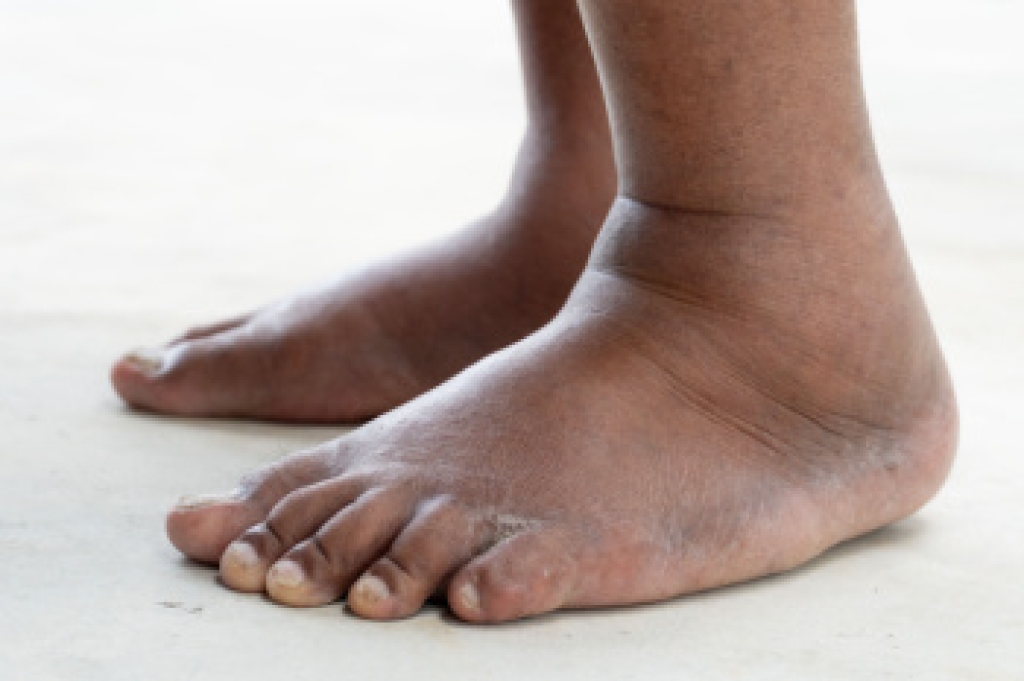
Swelling of the feet develops when excess fluid collects in the tissues, making the feet look larger and feel tight or uncomfortable. This condition can affect one foot or both feet, depending on the cause. Swelling sometimes follows an injury, but it can also result from standing or sitting for long periods, pregnancy, certain medicines, or medical conditions affecting circulation. Symptoms include puffiness, tight skin, aching, and difficulty fitting into shoes comfortably. Some people also notice stiffness or reduced movement in the feet and ankles. Persistent swelling deserves careful evaluation because it can signal an underlying problem that requires prompt attention. Identifying the cause is the first step toward choosing the most appropriate treatment. The pattern and timing of swelling also provide valuable clues about the underlying condition.

A podiatrist carefully evaluates the feet, ankles, walking pattern, and overall foot function to determine what is contributing to the swelling. The examination also checks for changes in skin condition, joint movement, and areas of tenderness. Treatment includes footwear recommendations, custom orthotics when appropriate, and care for conditions affecting the feet or ankles. A podiatrist can also identify whether swelling is related to abnormal foot mechanics or pressure. Improving foot function can reduce unnecessary stress on the joints and supporting tissues while walking. Regular evaluations help monitor changes in swelling and support healthier movement throughout daily activities.

Swelling of the feet should never be ignored when it develops suddenly, becomes severe, or occurs with pain, redness, or difficulty breathing because these symptoms can indicate a serious condition requiring immediate attention. Pregnancy, hot weather, and prolonged inactivity can also contribute to swelling, but persistent symptoms still deserve evaluation. Early podiatry care helps identify foot-related causes, improve comfort, and support better mobility. If you have symptoms of swelling of the feet, it is suggested that you schedule an appointment with a podiatrist for diagnosis and treatment.

Swollen feet can be a sign of an underlying condition. If you have any concerns, contact one of our podiatrists of William Street Podiatry. Our doctors can provide the care you need to keep you pain-free and on your feet.

Swollen feet are a common ailment among pregnant women and people who stand or sit for extended periods. Aging may increase the possibility of swollen feet and patients who are obese often notice when their feet are swelling too. There may be medical reasons why swollen feet occur:

  • Phlebitis - A condition that causes the veins to become inflamed and can also cause leg pain.
  • Liver disease - This may lead to low blood levels of albumin which is a protein. This can cause fluid in the blood to pass into the tissues and several areas of the body can become swollen.
  • Heart failure - When the heart doesn’t pump properly the blood that is normally pumped back to the heart can pool in the veins of the legs causing swollen feet.
  • Kidney disease - One of the main functions of the kidneys is releasing excess fluid in the body. This type of condition can make it difficult for the kidneys to function properly, and as a result the feet may become swollen.
  • Deep-vein thrombosis (DVT)- This is a serious condition where blood clots form in the veins of the legs. They can block the return of blood from the legs to the heart which may cause the feet to swell. It is important to be treated by a podiatrist if this condition is present.

Swollen feet can also be caused by bone and tendon conditions, including fractures, arthritis, and tendinitis. Additionally, there may be skin and toenail conditions and an infection may cause the feet to swell. Patients who take medicine to treat high blood pressure may be prone to getting swollen feet. 

Many patients elevate their feet to help relieve the swelling and this is generally a temporary remedy. When a podiatrist is consulted the reason behind the swelling can be uncovered and subsequently treated.

If you have any questions please contact one of our offices located in William Street in New York, NY, Forest Hills, NY, and Broadway in New York, NY . We offer the newest diagnostic and treatment technologies for all your foot and ankle needs.

Read more about Swelling of the Feet

Connect With Us