
Our 61 Broadway office is moving to 55 Boadway on August 1, 2026

What Causes Plantar Warts?

A plantar wart is caused by one of many types of a very common virus. It appears as a thick, callused spot on the sole of the foot and may vary in size, ranging from small to possibly covering most of the sole. The human papillomavirus (HPV) that causes plantar warts is known to be contagious and can also spread to other parts of the body. Although anyone is susceptible to this virus, it’s most prevalent in teenagers or those individuals with weakened immune systems. Many of these warts will disappear on their own, making it unnecessary to treat this condition. However, if the wart becomes painful and interferes with daily activities, there are various treatments available. A consultation with a podiatrist is suggested to learn about effective methods designed for the removal of plantar warts.

Plantar warts can be very uncomfortable. If you need your feet checked, contact one of our podiatrists from William Street Podiatry. Our doctors will assist you with all of your foot and ankle needs.

About Plantar Warts

Plantar warts are the result of HPV, or human papillomavirus, getting into open wounds on the feet. They are mostly found on the heels or balls of the feet.

While plantar warts are generally harmless, those experiencing excessive pain or those suffering from diabetes or a compromised immune system require immediate medical care. Plantar warts are easily diagnosed, usually through scraping off a bit of rough skin or by getting a biopsy.

Symptoms

  • Lesions on the bottom of your feet, usually rough and grainy
  • Hard or thick callused spots
  • Wart seeds, which are small clotted blood vessels that look like little black spots
  • Pain, discomfort, or tenderness of your feet when walking or standing

Treatment

  • Freezing
  • Electric tool removal
  • Laser Treatment
  • Topical Creams (prescription only)
  • Over-the-counter medications

To help prevent developing plantar warts, avoid walking barefoot over abrasive surfaces that can cause cuts or wounds for HPV to get into. Avoiding direct contact with other warts, as well as not picking or rubbing existing warts, can help prevent the further spread of plantar warts. However, if you think you have developed plantar warts, speak to your podiatrist. He or she can diagnose the warts on your feet and recommend the appropriate treatment options.

If you have any questions, please feel free to contact one of our offices located in William Street in New York, NY, Forest Hills, NY, and Broadway in New York, NY . We offer the newest diagnostic and treatment technologies for all your foot care needs.

Read more about All About Plantar Warts

How To Prevent Toenail Fungus

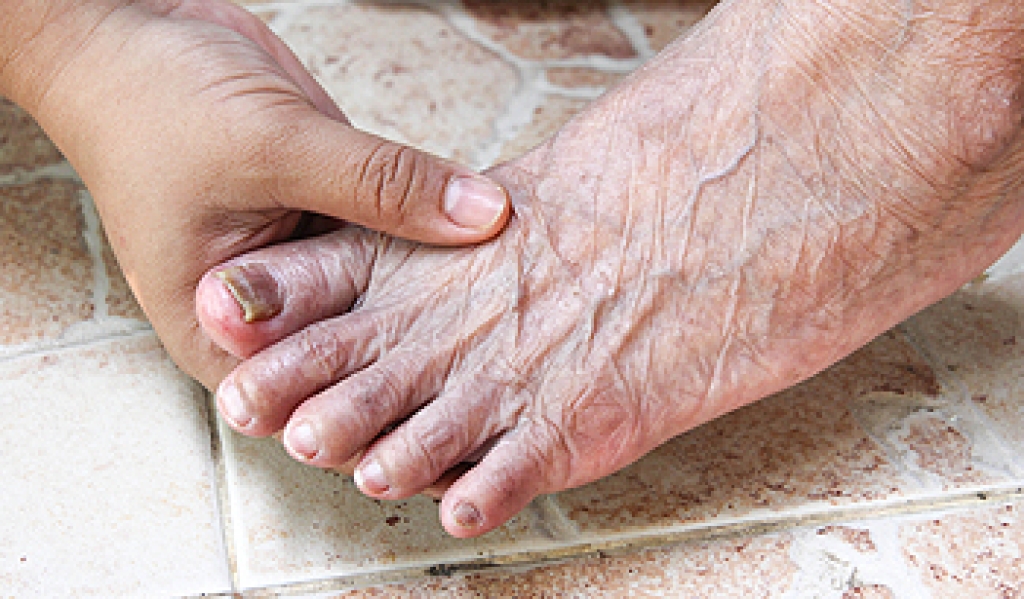
If your toenails become thick and begin turning yellow, chances are you may have a fungal infection. Also referred to as onychomycosis (OM), many people suffer from this, especially those afflicted with other health issues including diabetes or a weakened immune system. This type of fungus grows and lives in moist environments that are warm, typically affecting people whose feet sweat frequently. The infection may occur because of small cuts on the toes or under the nail, thereby allowing the fungi to enter. Prevention of this condition may include drying the feet thoroughly, keeping nails short, and wearing proper footwear in public showers. Please consider a consultation with a podiatrist for optimum treatment options.

For more information about treatment, contact one of our podiatrists of William Street Podiatry. Our doctors can provide the care you need to keep you pain-free and on your feet.

Toenail Fungus Treatment

Toenail fungus is a condition that affects many people and can be especially hard to get rid of. Fortunately, there are several methods to go about treating and avoiding it.

Antifungals & Deterrence

Oral antifungal medicine has been shown to be effective in many cases. It is important to consult with a podiatrist to determine the proper regiment for you, or potentially explore other options.

Applying foot powder on the feet and shoes helps keep the feet free of moisture and sweat.

Sandals or open toed shoes – Wearing these will allow air movement and help keep feet dry. They also expose your feet to light, which fungus cannot tolerate. Socks with moisture wicking material also help as well.

If you have any questions please contact one of our offices located in William Street in New York, NY, Forest Hills, NY, and Broadway in New York, NY . We offer the newest diagnostic and treatment technologies for all your foot and ankle needs.

Read more about Toenail Fungus

Why Does My Heel Hurt?

There are many types of heel pain, some of which are gradually felt, and some that are acute, typically caused by an injury. If pain under the heel is experienced, it may be a common condition referred to as plantar fasciitis. The pain is generally worse in the morning and may travel further down the foot. Having a bruised heel will begin as gradual pain occurring over a period of time, often affecting athletes due to the overuse of the plantar fascia tendon. Sever’s disease is characterized by pain in the back of the heel, often felt by young athletes. Swollen heels are another cause of heel pain and may be indicative of Achilles bursitis. A fracture may be possible if a fall was involved, often causing severe pain and making it difficult to walk. A consultation with a podiatrist is recommended if swelling, pain, or a "pins and needles" sensation is experienced in or around your feet.

Many people suffer from bouts of heel pain. For more information, contact one of our podiatrists of William Street Podiatry. Our doctors can provide the care you need to keep you pain-free and on your feet.

Causes of Heel Pain

Heel pain is often associated with plantar fasciitis. The plantar fascia is a band of tissues that extends along the bottom of the foot. A rip or tear in this ligament can cause inflammation of the tissue.

Achilles tendonitis is another cause of heel pain. Inflammation of the Achilles tendon will cause pain from fractures and muscle tearing. Lack of flexibility is also another symptom.

Heel spurs are another cause of pain. When the tissues of the plantar fascia undergo a great deal of stress, it can lead to ligament separation from the heel bone, causing heel spurs.

Why Might Heel Pain Occur?

  • Wearing ill-fitting shoes                
  • Wearing non-supportive shoes
  • Weight change           
  • Excessive running

Treatments

Heel pain should be treated as soon as possible for immediate results. Keeping your feet in a stress-free environment will help. If you suffer from Achilles tendonitis or plantar fasciitis, applying ice will reduce the swelling. Stretching before an exercise like running will help the muscles. Using all these tips will help make heel pain a condition of the past.

If you have any questions, please feel free to contact one of our offices located in William Street in New York, NY, Forest Hills, NY, and Broadway in New York, NY . We offer the newest diagnostic and treatment technologies for all your foot care needs.

Read more about Heel Pain

Causes of Plantar Fasciitis

There are several causes of plantar fasciitis, which is a condition that is characterized by inflamed or torn tissue between the base of the toes and the heel. Symptoms may include severe heel pain, often resonating in the arch of the foot as well. It’s common to have pain and stiff heels as your first steps are taken in the morning; this is before the heel area is warmed up from continued walking. Lack of stretching the calf muscles, over-training, running on hard surfaces, and wearing worn shoes are all common causes of this condition. The type of shoes worn may also be a factor in developing plantar fasciitis, such as wearing high heels and then running in flat shoes. Prevention of this condition can include awareness of the surfaces that you run on and taking notice when they are hard. If you have heel pain, a consultation with a podiatrist is advised for a proper diagnosis and treatment options.

Plantar fasciitis can be very painful and inconvenient. If you are experiencing heel pain or symptoms of plantar fasciitis, contact one of our podiatrists  from William Street Podiatry. Our doctors can provide the care you need to keep you pain-free and on your feet.

What Is Plantar Fasciitis?

Plantar fasciitis is the inflammation of the thick band of tissue that runs along the bottom of your foot, known as the plantar fascia, and causes mild to severe heel pain.

What Causes Plantar Fasciitis?

  • Excessive running
  • Non-supportive shoes
  • Overpronation
  • Repeated stretching and tearing of the plantar fascia

How Can It Be Treated?

  • Conservative measures – anti-inflammatories, ice packs, stretching exercises, physical therapy, orthotic devices
  • Shockwave therapy – sound waves are sent to the affected area to facilitate healing and are usually used for chronic cases of plantar fasciitis
  • Surgery – usually only used as a last resort when all else fails. The plantar fascia can be surgically detached from the heel

While very treatable, plantar fasciitis is definitely not something that should be ignored. Especially in severe cases, speaking to your doctor right away is highly recommended to avoid complications and severe heel pain. Your podiatrist can work with you to provide the appropriate treatment options tailored to your condition.

If you have any questions, please feel free to contact one of our offices located in William Street in New York, NY, Forest Hills, NY, and Broadway in New York, NY . We offer the newest diagnostic and treatment technologies for all your foot care needs.
Read more about Plantar Fasciitis

How to Keep Diabetic Feet Healthy

Many diabetics incur nerve damage, often making it difficult to feel sores, blisters, or cuts. Checking the feet nightly can be helpful in preventing infections; however, it may be difficult for the diabetic patient to check their feet due to arthritis, diminished eyesight or possible back problems. Having someone check the feet daily or using a small mirror may be beneficial in observing the soles of the feet. Symptoms to look for include any type of irritation, redness, or callus; additionally, paying extra attention to the toes and the ball of the foot is crucial in noticing foot ulcers. Moisturizing is necessary in preventing dry skin, which may cause cracked heels that can become infected. If an electric blanket is used, it may be wise to not use it because of reduced feeling in the feet. Additionally, ice packs can cause numbness in the feet and may not be recommended for this reason. Trimming the toenails is important to do with clippers that are designed for toenails, thereby preventing injuries to the foot. Please consult your podiatrist for advice in keeping your feet healthy

Diabetic foot care is important in preventing foot ailments such as ulcers. If you are suffering from diabetes or have any other concerns about your feet, contact one of our podiatrists from William Street Podiatry. Our doctors can provide the care you need to keep you pain-free and on your feet.

Diabetic Foot Care

Diabetes affects millions of people every year. The condition can damage blood vessels in many parts of the body, especially the feet. Because of this, taking care of your feet is essential if you have diabetes, and having a podiatrist help monitor your foot health is highly recommended.

The Importance of Caring for Your Feet

  • Routinely inspect your feet for bruises or sores.
  • Wear socks that fit your feet comfortably.
  • Wear comfortable shoes that provide adequate support.

Patients with diabetes should have their doctor monitor their blood levels, as blood sugar levels play such a huge role in diabetic care. Monitoring these levels on a regular basis is highly advised.

It is always best to inform your healthcare professional of any concerns you may have regarding your feet, especially for diabetic patients. Early treatment and routine foot examinations are keys to maintaining proper health, especially because severe complications can arise if proper treatment is not applied.

If you have any questions, please feel free to contact one of our offices located in William Street in New York, NY, Forest Hills, NY, and Broadway in New York, NY . We offer the newest diagnostic and treatment technologies for all your foot care needs.

Read more about How to Care for Diabetic Foot

Connect With Us