
Our 61 Broadway office has moved to 55 Broadway #602

Benefits of Minimally Invasive Foot and Ankle Surgery

Minimally invasive foot and ankle surgery uses small incisions and instruments to treat certain conditions while limiting disruption to nearby tissues. Depending on the procedure, this type of surgery may be considered for bunions, hammertoes, and other problems that do not improve with conservative care. Symptoms leading to surgery can include pain, swelling, or difficulty walking. The goal is to correct the problem while helping the foot or ankle heal.

There are several potential benefits to minimally invasive surgery. Smaller incisions may create smaller, more pleasing scars than traditional surgical approaches. Less disruption to surrounding tissue may support a faster recovery for some patients. Patients may also experience reduced post-operative pain and decreased post-operative joint stiffness. However, results vary based on the condition, procedure, and individual health. Not every foot or ankle problem can be treated with a minimally invasive approach.

Risk factors for complications include diabetes, smoking, and medical conditions that affect healing. A podiatrist will review your health history and examine the affected area before recommending surgery. Imaging tests may be used to understand bone alignment or joint changes. If surgery is appropriate, the podiatrist explains the procedure, expected recovery, and aftercare. Treatment may also include protective footwear, wound care, and follow-up visits.

After surgery, following your podiatrist's instructions is an important part of recovery. The foot may need protection while tissues heal, and activity may need to increase gradually. Follow-up appointments allow the podiatrist to check the incision, swelling, and progress. Keeping the surgical area clean and reporting unusual drainage, increasing redness, or worsening pain can help address concerns. If you have a foot or ankle condition that could benefit from minimally invasive surgery, it is suggested that you consult a podiatrist who can determine if this type of foot surgery is right for you.

Foot surgery is sometimes necessary to treat a foot ailment. To learn more, contact one of our podiatrists of William Street Podiatry. Our doctors will assist you with all of your foot and ankle needs.

When Is Surgery Necessary?

Foot and ankle surgery is generally reserved for cases in which less invasive, conservative procedures have failed to alleviate the problem. Some of the cases in which surgery may be necessary include:

  • Removing foot deformities like bunions and bone spurs
  • Severe arthritis that has caused bone issues
  • Cosmetic reconstruction

What Types of Surgery Are There?

The type of surgery you receive will depend on the nature of the problem you have. Some of the possible surgeries include:

  • Bunionectomy for painful bunions
  • Surgical fusion for realignment of bones
  • Neuropathy decompression surgery to treat nerve damage

Benefits of Surgery

Although surgery is usually a last resort, it can provide more complete pain relief compared to non-surgical methods and may allow you to finally resume full activity.

Surgical techniques have also become increasingly sophisticated. Techniques like endoscopic surgery allow for smaller incisions and faster recovery times.

If you have any questions, please feel free to contact one of our offices located in William Street in New York, NY, Forest Hills, NY, and Broadway in New York, NY . We offer the newest diagnostic and treatment technologies for all your foot care needs.
Read more about Foot and Ankle Surgery

Plantar Fasciitis Can Make Every Step Painful

Plantar fasciitis causes pain where a band of tissue runs along the bottom of the foot, from the heel toward the toes. This tissue supports the arch and absorbs pressure. Repeated strain can irritate it and lead to sharp heel pain. Discomfort is usually strongest with the first steps after getting out of bed or standing after a long rest. It can ease once the foot begins moving, then return after extended standing or activity. Tight calf muscles, changes in activity, and excess body weight can increase strain. Shoes that lack proper support can add stress to the heel and arch.

A podiatrist can determine whether plantar fasciitis is causing the pain or another foot problem is responsible. The examination includes checking the tender area, the arch, and movement in the foot and ankle. The podiatrist may also watch how the patient stands and walks. X-rays can help rule out a fracture, arthritis, or another bone problem. Other imaging can be ordered when the source of pain remains unclear. An accurate diagnosis matters because heel pain can also result from a pinched nerve, damaged heel pad, or stress fracture.

Treatment focuses on reducing pressure, improving support, and allowing the irritated tissue to heal. A podiatrist can recommend fitted shoes and prescribe custom orthotics to improve how pressure moves across the foot. A night splint can hold the foot in a position that reduces morning pain. The podiatrist can also provide a guided stretching plan and monitor progress. Most cases improve without surgery, although recovery can take several months. Persistent pain may require further treatment. Surgery is rarely recommended and is reserved for severe symptoms that do not respond to other care. Follow-up visits help the podiatrist adjust treatment and address problems that could cause the pain to return. If you have heel pain, it is suggested that you schedule an appointment with a podiatrist who can accurately diagnose and treat plantar fasciitis.

Plantar fasciitis can be very painful and inconvenient. If you are experiencing heel pain or symptoms of plantar fasciitis, contact one of our podiatrists  from William Street Podiatry. Our doctors can provide the care you need to keep you pain-free and on your feet.

What Is Plantar Fasciitis?

Plantar fasciitis is the inflammation of the thick band of tissue that runs along the bottom of your foot, known as the plantar fascia, and causes mild to severe heel pain.

What Causes Plantar Fasciitis?

  • Excessive running
  • Non-supportive shoes
  • Overpronation
  • Repeated stretching and tearing of the plantar fascia

How Can It Be Treated?

  • Conservative measures – anti-inflammatories, ice packs, stretching exercises, physical therapy, orthotic devices
  • Shockwave therapy – sound waves are sent to the affected area to facilitate healing and are usually used for chronic cases of plantar fasciitis
  • Surgery – usually only used as a last resort when all else fails. The plantar fascia can be surgically detached from the heel

While very treatable, plantar fasciitis is definitely not something that should be ignored. Especially in severe cases, speaking to your doctor right away is highly recommended to avoid complications and severe heel pain. Your podiatrist can work with you to provide the appropriate treatment options tailored to your condition.

If you have any questions, please feel free to contact one of our offices located in William Street in New York, NY, Forest Hills, NY, and Broadway in New York, NY . We offer the newest diagnostic and treatment technologies for all your foot care needs.

Read more about Plantar Fasciitis

Gout Pain Can Be Managed

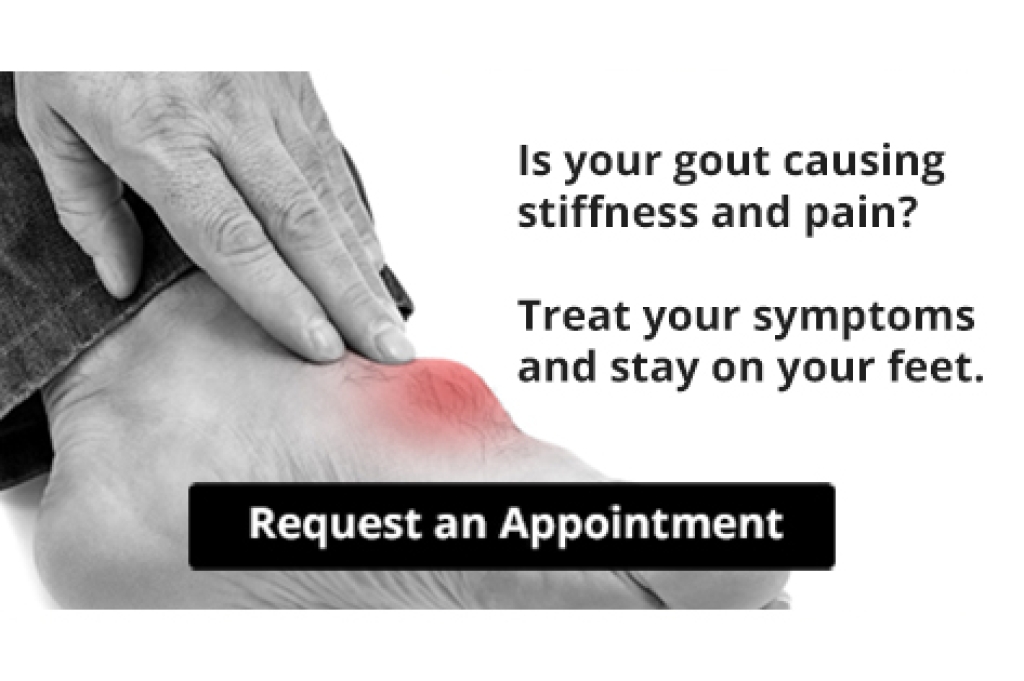
Gout is a painful, inflammatory form of arthritis. Those affected will typically feel an intense stiffness in the joints of their feet, particularly in the big toe. Schedule a visit to learn about how gout can be managed and treated.

Proper Use of Assistive Devices for Safer Walking

Foot or ankle injuries can make each step painful and unsteady. A cane, crutches, or a walker can reduce pressure on the injured area while supporting safer movement. These devices are used after fractures, severe sprains, and tendon injuries. The right choice depends on the injury and how much weight the patient can safely place on the affected foot. Poor fit or technique can place extra stress on the injury and increase the risk of falling.

Proper fit helps protect the foot or ankle while it heals. Cane and walker handles usually reach the wrist crease when a patient stands upright, with the elbows slightly bent. Crutches should sit below the armpits, and body weight should rest on the hands. A cane is held on the side opposite the injured foot or ankle. When using a walker, patients should place it a short distance ahead before stepping into its center. Rubber tips should be checked for wear because damaged parts can slip. Patients should follow instructions about whether they can place full, partial, or no weight on the injured side.

A podiatrist can examine the injured foot or ankle and assess balance. This evaluation helps determine which device provides the right level of support. The podiatrist can adjust its height, explain safe movement, and check whether shoes fit securely. Guidance can cover rising from a chair, managing stairs, and moving across uneven ground. New pain, swelling, or numbness can mean too much pressure is reaching the injury. Skin irritation can also develop where a device rubs against the body. A podiatrist can identify these problems and make adjustments that protect the injured area. Follow-up visits allow the podiatrist to check healing and decide whether the walking aid should still be used. If you need a cane, crutches, or a walker, it is suggested that you schedule an appointment with a podiatrist for guidance on proper use and adjustments.

If you are having discomfort in your feet and would like to try orthotics, contact one of our podiatrists from William Street Podiatry. Our doctors can provide the care you need to keep you pain-free and on your feet.

What Are Orthotics?

Orthotics are inserts you can place into your shoes to help with a variety of foot problems such as flat feet or foot pain. Orthotics provide relief and comfort for minor foot and heel pain but can’t correct serious biomechanical problems in your feet.

Over-the-Counter Inserts

Orthotics come in a wide variety of over-the-counter inserts that are used to treat foot pain, heel pain, and minor problems. For example, arch supports can be inserted into your shoes to help correct overarched or flat feet, while gel insoles are often used because they provide comfort and relief from foot and heel pain by alleviating pressure.

Prescription Orthotics

If over-the-counter inserts don’t work for you or if you have a more severe foot concern, it is possible to have your podiatrist prescribe custom orthotics. These high-quality inserts are designed to treat problems such as abnormal motion, plantar fasciitis, and severe forms of heel pain. They can even be used to help patients suffering from diabetes by treating foot ulcers and painful calluses and are usually molded to your feet individually, which allows them to provide full support and comfort.

If you are experiencing minor to severe foot or heel pain, it’s recommended to speak with your podiatrist about the possibilities of using orthotics. A podiatrist can determine which type of orthotic is right for you and allow you to take the first steps towards being pain-free.

If you have any questions, please feel free to contact one of our offices located in William Street in New York, NY, Forest Hills, NY, and Broadway in New York, NY . We offer the newest diagnostic and treatment technologies for all your foot care needs.
Read more about Foot Orthotics

When Should Babies Start Wearing Shoes

Parents may wonder when babies should start wearing shoes. Before a child begins to walk, shoes are not necessary indoors. In fact, bare feet allow babies to feel the floor and practice foot movements. Most children begin walking sometime between nine and 18 months, although this varies. Once a baby starts taking independent steps, soft-sole baby shoes can provide protection while allowing movement. Shoes should fit without squeezing growing toes.

Soft-sole baby shoes are a choice for early walkers because they allow the feet to bend naturally. Look for flexible materials, a toe area, and a good fit. Supportive does not mean stiff. Early footwear should protect the feet while allowing movement. Wearing shoes that are too tight can create pressure and discomfort. Poorly fitting footwear may also cause blisters, rubbing, or changes in walking patterns. Parents should check shoe fit because feet grow quickly.


Healthy baby foot development depends on choosing the right shoes. Babies benefit from opportunities to crawl, stand, and walk. Walking barefoot indoors can help develop balance and foot awareness when the environment is safe. Risk factors for foot problems include wearing restrictive footwear, poorly fitted shoes, and prolonged use of rigid shoes. Watch for persistent pain, swelling, redness, or differences between the feet. These symptoms deserve professional attention.


A podiatrist can examine a child’s feet and ankles when concerns arise. The evaluation may include checking foot structure, movement, and walking development. If a problem is found, the podiatrist may recommend footwear changes, monitoring, or other age-appropriate treatment. Parents should avoid choosing rigid corrective shoes without professional guidance. With proper fit and healthy movement, early shoes can protect developing feet without limiting natural motion. If your baby needs shoes, it is suggested that you consult a podiatrist who can guide you on the correct shoes to purchase for your child's needs.

The health of a child’s feet is vital to their overall well-being. If you have any questions regarding foot health, contact one of our podiatrists of William Street Podiatry. Our doctors can provide the care you need to keep you pain-free and on your feet.

Tips for Keeping Children's Feet Healthy

  • Make sure their shoes fit properly
  • Look for any signs of in-toeing or out-toeing
  • Check to see if they have Clubfoot (condition that affects your child’s foot and ankle, twisting the heel and toes inward) which is one of the most common nonmajor birth defects.
  • Lightly cover your baby’s feet (Tight covers may keep your baby from moving their feet freely, and could prevent normal development)
  • Allow your toddler to go shoeless (Shoes can be restricting for a young child’s foot)
  • Cut toenails straight across to avoid ingrown toenails
  • Keep your child’s foot clean and dry
  • Cover cuts and scrapes. Wash any scratches with soap and water and cover them with a bandage until they’ve healed.

If you have any questions, please feel free to contact one of our offices located in William Street in New York, NY, Forest Hills, NY, and Broadway in New York, NY . We offer the newest diagnostic and treatment technologies for all your foot care needs.

Read more about What to Do to Keep Your Child’s Feet Healthy

Connect With Us