Our 61 Broadway office is moving to 55 Boadway on August 1, 2026

How Pickleball Affects the Feet

Pickleball’s rapid rise in popularity has made it a favorite among players of all ages, but the sport’s dynamic movements can place significant stress on the feet and ankles. Common injuries from pickleball include ankle sprains, which often occur during rapid lateral movements, and Achilles tendonitis, a condition caused by repetitive stress to the Achilles tendon. Players may also experience plantar fasciitis, a source of persistent heel pain resulting from inflammation of the plantar fascia. Stress fractures, small cracks in the bones of the foot, can develop from repetitive impact, especially on hard court surfaces. A podiatrist can provide expert care by diagnosing the injury, offering treatments such as custom orthotics or braces, and suggesting strategies to prevent further damage. If you have foot or ankle pain after playing pickleball, it is suggested that you schedule an appointment with a podiatrist for treatment options.

Sports related foot and ankle injuries require proper treatment before players can go back to their regular routines. For more information, contact one of our podiatrists of William Street Podiatry. Our doctors can provide the care you need to keep you pain-free and on your feet.

Sports Related Foot and Ankle Injuries

Foot and ankle injuries are a common occurrence when it comes to athletes of any sport. While many athletes dismiss the initial aches and pains, the truth is that ignoring potential foot and ankle injuries can lead to serious problems. As athletes continue to place pressure and strain the area further, a mild injury can turn into something as serious as a rupture and may lead to a permanent disability. There are many factors that contribute to sports related foot and ankle injuries, which include failure to warm up properly, not providing support or wearing bad footwear. Common injuries and conditions athletes face, including:

  • Plantar Fasciitis
  • Achilles Tendinitis
  • Achilles Tendon Rupture
  • Ankle Sprains

Sports related injuries are commonly treated using the RICE method. This includes rest, applying ice to the injured area, compression and elevating the ankle. More serious sprains and injuries may require surgery, which could include arthroscopic and reconstructive surgery. Rehabilitation and therapy may also be required in order to get any recovering athlete to become fully functional again. Any unusual aches and pains an athlete sustains must be evaluated by a licensed, reputable medical professional.

If you have any questions please contact one of our offices located in William Street in New York, NY, Forest Hills, NY, and Broadway in New York, NY . We offer the newest diagnostic and treatment technologies for all your foot and ankle needs.
Read more about Sports Related Foot And Ankle Injuries

Possible Reasons for Burning and Burning in the Achilles Tendon

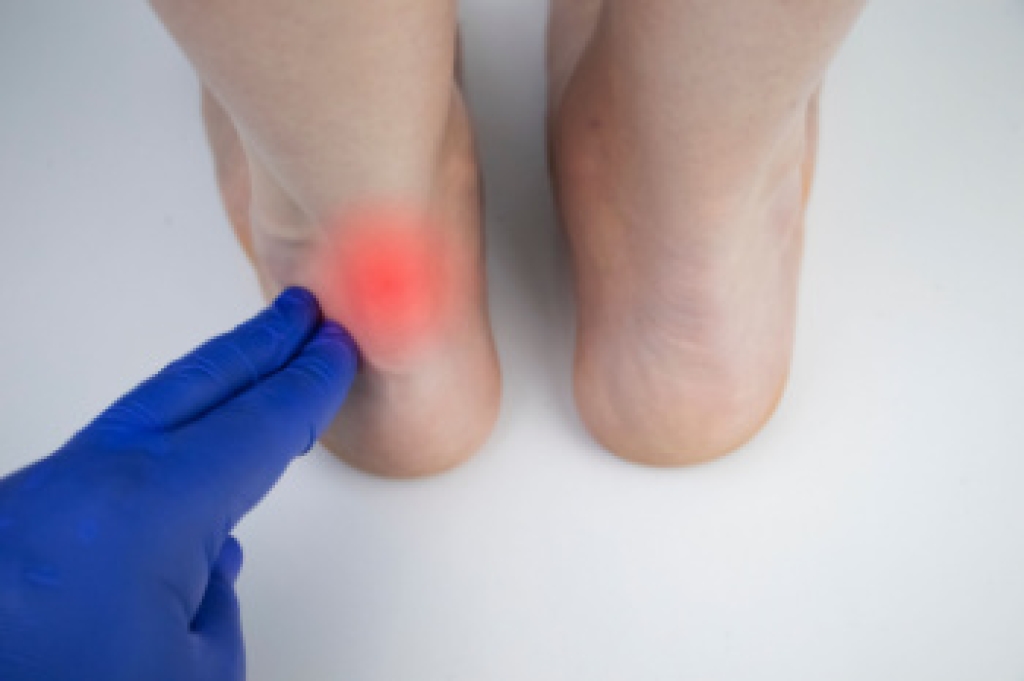
Pain and burning in the Achilles tendon are often signs of Achilles tendinitis, an inflammation of the tendon that connects the calf muscles to the heel bone. This condition commonly results from overuse, particularly in athletes who engage in repetitive activities like running, jumping, or sudden direction changes. Wearing poor footwear, improper stretching, or tight calf muscles can also contribute to the development of Achilles tendinitis. As the tendon becomes irritated, individuals may experience pain that worsens with activity or after long periods of rest. In some cases, the tendon may feel warm, swollen, or tender to the touch. Over time, without proper treatment, Achilles tendinitis can become chronic, leading to further damage and weakness in the tendon. If you have sustained an Achilles tendon injury, it is suggested that you promptly schedule an appointment with a podiatrist who can effectively treat this condition.

Achilles tendon injuries need immediate attention to avoid future complications. If you have any concerns, contact one of our podiatrists of William Street Podiatry. Our doctors can provide the care you need to keep you pain-free and on your feet.

What Is the Achilles Tendon?

The Achilles tendon is a tendon that connects the lower leg muscles and calf to the heel of the foot. It is the strongest tendon in the human body and is essential for making movement possible. Because this tendon is such an integral part of the body, any injuries to it can create immense difficulties and should immediately be presented to a doctor.

What Are the Symptoms of an Achilles Tendon Injury?

There are various types of injuries that can affect the Achilles tendon. The two most common injuries are Achilles tendinitis and ruptures of the tendon.

Achilles Tendinitis Symptoms

  • Inflammation
  • Dull to severe pain
  • Increased blood flow to the tendon
  • Thickening of the tendon

Rupture Symptoms

  • Extreme pain and swelling in the foot
  • Total immobility

Treatment and Prevention

Achilles tendon injuries are diagnosed by a thorough physical evaluation, which can include an MRI. Treatment involves rest, physical therapy, and in some cases, surgery. However, various preventative measures can be taken to avoid these injuries, such as:

  • Thorough stretching of the tendon before and after exercise
  • Strengthening exercises like calf raises, squats, leg curls, leg extensions, leg raises, lunges, and leg presses

If you have any questions please feel free to contact one of our offices located in William Street in New York, NY, Forest Hills, NY, and Broadway in New York, NY . We offer the newest diagnostic tools and technology to treat your foot and ankle needs.

Read more about What are Achilles Tendon Injuries

The Truth About Bunions

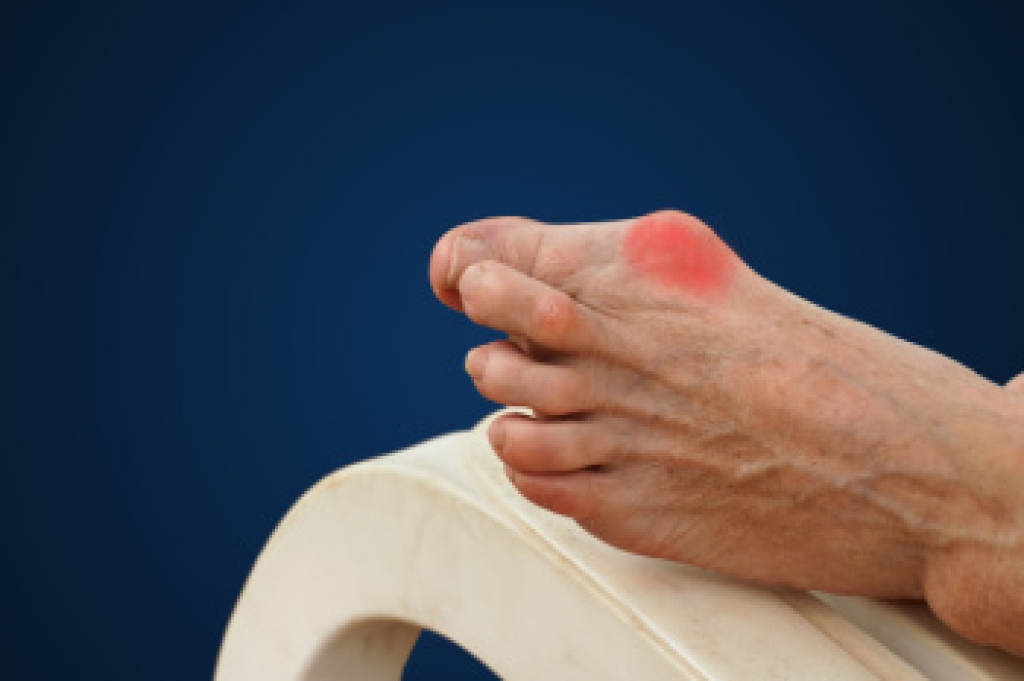
Bunions are bony bumps that form at the base of the big toe causing it to lean toward the other toes. They often look unsightly and can be painful, especially when wearing tight or narrow shoes. Bunions develop over time due to factors like genetics, foot structure, arthritis, or wearing ill-fitting footwear. While some people experience no pain, others may suffer from redness, swelling, and discomfort, particularly after prolonged walking or standing. Bunions are more common in women, likely due to shoe choices, and in those with a family history of the condition. Unfortunately, bunions do not go away on their own. They may worsen without intervention. Treatment includes wearing wider shoes, using orthotics, or padding the bunion to reduce friction. For severe cases, surgery may be necessary. If you have a painful bunion, it is suggested that you visit a podiatrist who can assess your bunions and recommend the best treatment plan.

If you are suffering from bunion pain, contact one of our podiatrists of William Street Podiatry. Our doctors can provide the care you need to keep you pain-free and on your feet.

What Is a Bunion?

Bunions are painful bony bumps that usually develop on the inside of the foot at the joint of the big toe. As the deformity increases over time, it may become painful to walk and wear shoes. Women are more likely to exacerbate existing bunions since they often wear tight, narrow shoes that shift their toes together. Bunion pain can be relieved by wearing wider shoes with enough room for the toes.

Causes

  • Genetics – some people inherit feet that are more prone to bunion development
  • Inflammatory Conditions - rheumatoid arthritis and polio may cause bunion development

Symptoms

  • Redness and inflammation
  • Pain and tenderness
  • Callus or corns on the bump
  • Restricted motion in the big toe

In order to diagnose your bunion, your podiatrist may ask about your medical history, symptoms, and general health. Your doctor might also order an x-ray to take a closer look at your feet. Nonsurgical treatment options include orthotics, padding, icing, changes in footwear, and medication. If nonsurgical treatments don’t alleviate your bunion pain, surgery may be necessary.

If you have any questions, please feel free to contact one of our offices located in William Street in New York, NY, Forest Hills, NY, and Broadway in New York, NY . We offer the newest diagnostic and treatment technologies for all your foot care needs.

Read more about Bunions

Plantar Warts Can Be Treated!

Plantar warts are small growths that develop on parts of the feet that bear weight. They're typically found on the bottom of the foot. Don't live with plantar warts, and call us today!

Symptoms and Treatment of Hammertoes

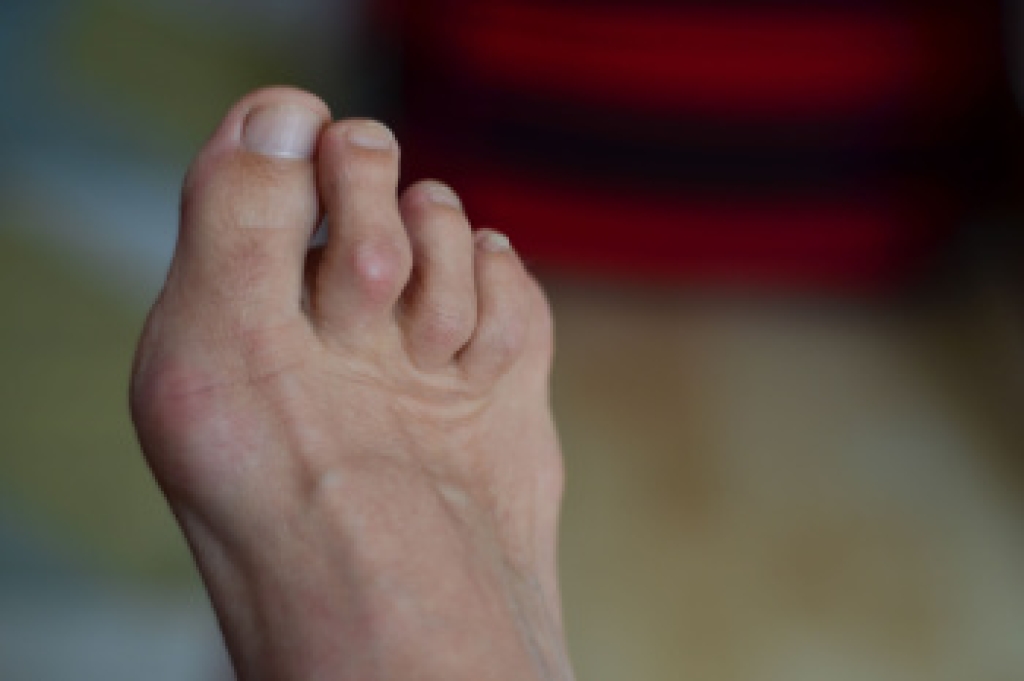
Hammertoe is a common condition where one or more of the smaller toes bend at the middle joint, creating a curled or Z-shaped appearance. A hammertoe deformity often results from an imbalance in the tendons that control toe movement, which can develop due to genetic factors, injury, or pressure from other foot conditions like bunions. The second toe is most commonly affected, and symptoms include pain and difficulty wearing tight shoes. Corns on the top of the toe and calluses on the ball of the foot may form by extra pressure while walking. An X-ray may be taken to determine the severity of the hammertoe. Treatment options include taping or splinting the toe to reduce strain, as well as wearing orthotics that help redistribute pressure and improve foot alignment. A podiatrist can offer noninvasive measures as well as surgical solutions to relieve pain and restore proper foot function. If you have a painful hammertoe, it is suggested that you schedule an appointment with a podiatrist for treatment.

Hammertoes can be a painful condition to live with. For more information, contact one of our podiatrists of William Street Podiatry. Our doctors will answer any of your foot- and ankle-related questions.

Hammertoe

Hammertoe is a foot deformity that occurs due to an imbalance in the muscles, tendons, or ligaments that normally hold the toe straight. It can be caused by the type of shoes you wear, your foot structure, trauma, and certain disease processes.

Symptoms

  • Painful and/or difficult toe movement
  • Swelling
  • Joint stiffness
  • Calluses/Corns
  • Physical deformity

Risk Factors

  • Age – The risk of hammertoe increases with age
  • Sex – Women are more likely to have hammertoe compared to men
  • Toe Length – You are more likely to develop hammertoe if your second toe is longer than your big toe
  • Certain Diseases – Arthritis and diabetes may make you more likely to develop hammertoe

Treatment

If you have hammertoe, you should change into a more comfortable shoe that provides enough room for your toes. Exercises such as picking up marbles may strengthen and stretch your toe muscles. Nevertheless, it is important to seek assistance from a podiatrist in order to determine the severity of your hammertoe and see which treatment option will work best for you.

If you have any questions, please feel free to contact one of our offices located in William Street in New York, NY, Forest Hills, NY, and Broadway in New York, NY . We offer the newest diagnostic and treatment technologies for all your foot care needs.

Read more about Hammertoe

Connect With Us