Our 61 Broadway office is moving to 55 Boadway on August 1, 2026

Preventing Minor Foot Ailments

Our feet play a pivotal role in our everyday lives. Therefore, it’s important that we take care of them. Here’s a list of some common and generally non-serious foot conditions and how to prevent them. Athlete’s foot is a common fungal infection that can cause the foot to itch, burn, and the skin to develop a scaly rash. Washing your feet daily and avoiding going barefoot in locker rooms and public showers can help prevent athlete’s foot. Ingrown toenails are often caused by ill-fitted footwear or cutting the nails at a curve or too short. They can be prevented by wearing properly fitted shoes and cutting the nails straight across. Plantar fasciitis, a common cause of heel pain, is when the tissue along the bottom of the foot becomes torn or inflamed. Avoid pushing yourself too hard in sports, stretch the foot before you play, and wear shoes that provide good support and cushioning. Finally, sweaty feet, commonly caused by hyperhidrosis, can be uncomfortable to deal with. Washing the feet daily, changing socks frequently, rotating out your shoes, and using foot powder can help mitigate the effects of having sweaty feet. If any of these conditions do not go away or are causing you a lot of pain, it is recommended to see a podiatrist.

Everyday foot care is very important to prevent infection and other foot ailments. If you need your feet checked, contact one of our podiatrists from William Street Podiatry. Our doctors can provide the care you need to keep you pain-free and on your feet.

Everyday Foot Care

Often, people take care of their bodies, face and hair more so than they do for their feet. But the feet are a very important aspect of our bodies, and one that we should pay more attention to. Without our feet, we would not be able to perform most daily tasks.

It is best to check your feet regularly to make sure there are no new bruises or cuts that you may not have noticed before. For dry feet, moisturizer can easily be a remedy and can be applied as often as necessary to the affected areas. Wearing shoes that fit well can also help you maintain good foot health, as well as making it easier to walk and do daily activities without the stress or pain of ill-fitting shoes, high heels, or even flip flops. Wearing clean socks with closed shoes is important to ensure that sweat and bacteria do not accumulate within the shoe. Clean socks help to prevent Athlete’s foot, fungi problems, bad odors, and can absorb sweat.

If you have any questions, please feel free to contact one of our offices located in William Street in New York, NY, Forest Hills, NY, and Broadway in New York, NY . We offer the newest diagnostic and treatment technologies for all your foot care needs.
Read more about Every Day Foot Care

Tips on Exercising for Diabetics

Maintaining a healthy diet and exercising can be a good way to keep your diabetes in check. However, there are some things to keep in mind and on hand if you do decide to workout. First, it is recommended to see a podiatrist to see if exercising is right for you. That being said, there are a few things that are helpful to have on hand while exercising. A blood glucose meter is a great way to check your blood sugar level before you exercise. Blood glucose tablets can help correct low blood sugar levels and ensure you are in a good state. If you do feel shaky or light-headed, it is important to relax and stop exercising. Having some snacks with you to help prevent low blood sugar is also recommended. It is important to stay hydrated while working out, especially for diabetics, because dehydration can cause high blood glucose levels. Finally, wearing a good pair of shoes is an important step in preventing foot ulcers and keeping your feet supported. Podiatrists can help recommend shoes based on your foot type or provide orthotics. Diabetes can be a difficult condition to live with; however, exercising while taking proper safety measures can be a great way to keep it in check.

Diabetic foot care is important in preventing foot ailments such as ulcers. If you are suffering from diabetes or have any other concerns about your feet, contact one of our podiatrists from William Street Podiatry. Our doctors can provide the care you need to keep you pain-free and on your feet.

Diabetic Foot Care

Diabetes affects millions of people every year. The condition can damage blood vessels in many parts of the body, especially the feet. Because of this, taking care of your feet is essential if you have diabetes, and having a podiatrist help monitor your foot health is highly recommended.

The Importance of Caring for Your Feet

  • Routinely inspect your feet for bruises or sores.
  • Wear socks that fit your feet comfortably.
  • Wear comfortable shoes that provide adequate support.

Patients with diabetes should have their doctor monitor their blood levels, as blood sugar levels play such a huge role in diabetic care. Monitoring these levels on a regular basis is highly advised.

It is always best to inform your healthcare professional of any concerns you may have regarding your feet, especially for diabetic patients. Early treatment and routine foot examinations are keys to maintaining proper health, especially because severe complications can arise if proper treatment is not applied.

If you have any questions, please feel free to contact one of our offices located in William Street in New York, NY, Forest Hills, NY, and Broadway in New York, NY . We offer the newest diagnostic and treatment technologies for all your foot care needs.
Read more about How to Care for Diabetic Foot

What is Athlete’s Foot and How to Prevent It

Athlete’s foot is a skin infection caused by fungus. As the name implies, it is common among athletes; this is mainly due to the fact that locker rooms, pools, and public showers are likely to harbor the fungus. The fungus also prefers moist, warm, and dark areas such as in between the toes on feet that are generally covered with shoes. While the infection usually first occurs between the toes, it can spread to the rest of the foot. Symptoms include redness, itchiness, burning sensations, and peeling skin. If scratched, the fungus can spread to other parts of the body like nails. To prevent athlete’s foot, keep your feet dry. If your feet sweat a lot, change socks frequently to prevent moisture buildup. Once you are finished showering or out of the pool, dry the feet thoroughly. Finally, wear shoes that allow the feet to "breathe” to help prevent sweat and allow the feet to cool down.

Athlete’s foot is an inconvenient condition that can be easily reduced with the proper treatment. If you have any concerns about your feet and ankles, contact one of our podiatrists from William Street Podiatry.  Our doctors will treat your foot and ankle needs.

Athlete’s Foot: The Sole Story

Athlete's foot, also known as tinea pedis, can be an extremely contagious foot infection. It is commonly contracted in public changing areas and bathrooms, dormitory style living quarters, around locker rooms and public swimming pools, or anywhere your feet often come into contact with other people.

Solutions to Combat Athlete’s Foot

  • Hydrate your feet by using lotion
  • Exfoliate
  • Buff off nails
  • Use of anti-fungal products
  • Examine your feet and visit your doctor if any suspicious blisters or cuts develop

Athlete’s foot can cause many irritating symptoms such as dry and flaking skin, itching, and redness. Some more severe symptoms can include bleeding and cracked skin, intense itching and burning, and even pain when walking. In the worst cases, Athlete’s foot can cause blistering as well. Speak to your podiatrist for a better understanding of the different causes of Athlete’s foot, as well as help in determining which treatment options are best for you.

If you have any questions please feel free to contact one of our offices located in William Street in New York, NY, Forest Hills, NY, and Broadway in New York, NY . We offer the newest diagnostic and treatment technologies for all your foot and ankle needs.

Read more about Athlete's Foot

Lebron James Still Out From Sprained Ankle

Cleveland Cavaliers small forward (SF) Lebron James recently sprained his left ankle in an unknown way. The injury has forced him to miss two practices so far. James’ condition is unknown, and it is also unknown how long he will be out. X-rays taken after the injury came back negative. Lebron James is a three-time NBA champion and a well-known player. Though his injury is unfortunate for the team, fortunately the Cavaliers recently gained a great player in Dwyane Wade.
 

Sports related foot and ankle injuries require proper treatment before players can go back to their regular routines. For more information, contact one of our podiatrists of William Street Podiatry. Our doctors can provide the care you need to keep you pain-free and on your feet.

Sports Related Foot and Ankle Injuries

Foot and ankle injuries are a common occurrence when it comes to athletes of any sport. While many athletes dismiss the initial aches and pains, the truth is that ignoring potential foot and ankle injuries can lead to serious problems. As athletes continue to place pressure and strain the area further, a mild injury can turn into something as serious as a rupture and may lead to a permanent disability. There are many factors that contribute to sports related foot and ankle injuries, which include failure to warm up properly, not providing support or wearing bad footwear. Common injuries and conditions athletes face, including:

  • Plantar Fasciitis
  • Achilles Tendinitis
  • Achilles Tendon Rupture
  • Ankle Sprains

Sports related injuries are commonly treated using the RICE method. This includes rest, applying ice to the injured area, compression and elevating the ankle. More serious sprains and injuries may require surgery, which could include arthroscopic and reconstructive surgery. Rehabilitation and therapy may also be required in order to get any recovering athlete to become fully functional again. Any unusual aches and pains an athlete sustains must be evaluated by a licensed, reputable medical professional.

If you have any questions please contact one of our offices located in William Street in New York, NY, Forest Hills, NY, and Broadway in New York, NY . We offer the newest diagnostic and treatment technologies for all your foot and ankle needs.

Read more about Sports Related Foot And Ankle Injuries

What to Look for and What Not to Look For in Running Shoes

Running is a great way to stay healthy and fit, and an important aspect of running is proper footwear. Wearing the right type of footwear can help prevent injury and strain and provide a more enjoyable experience. If you are just starting out as a runner, don’t worry too much about buying expensive, high-end shoes. Instead, look for a pair that is medium-priced, provides comfort, and is roomy. When you wear a pair of shoes that do not provide a proper fit, you risk sustaining a number of injuries such as an ankle sprain or developing foot conditions such as corns, blisters, or plantar fasciitis. Furthermore, a bad pair of running shoes can make running uncomfortable and discourage you from doing it.

If you are a runner, wearing the right running shoe is essential. For more information, contact one of our podiatrists from William Street Podiatry. Our doctors can provide the care you need to keep you pain-free and on your feet.

Choosing the Right Running Shoe for Your Foot Type

To increase performance and avoid the risk of injury, it is important to choose the right running shoe based on your foot type. The general design of running shoes revolves around pronation, which is how the ankle rolls from outside to inside when the foot strikes the ground.

  • Neutral runners are able to choose from a wide variety of shoes, including minimalist shoes or even going barefoot.
  • Runners who overpronate, or experience an over-abundance of ankle rolling, should choose shoes that provide extra motion control and stability.
  • Runners who underpronate, or supinate, have feet that have high arches and lack flexibility, preventing shock absorption. They require shoes with more flexibility and cushion.

If you have any questions, please feel free to contact one of our offices located in William Street in New York, NY, Forest Hills, NY, and Broadway in New York, NY . We offer the newest diagnostic and treatment technologies for all your foot care needs.
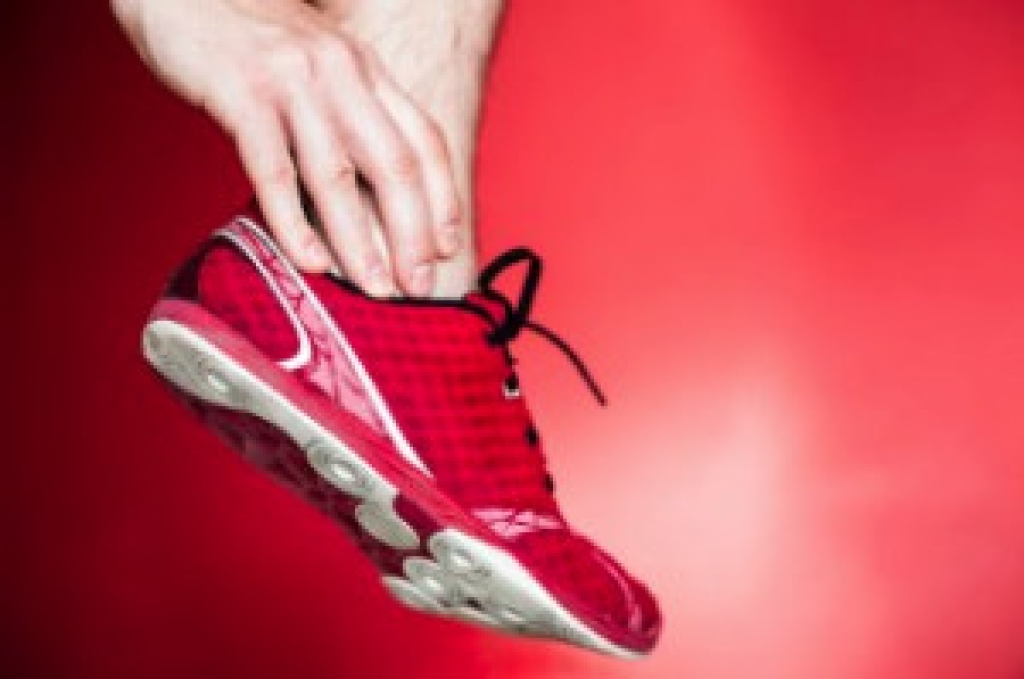
Read more about Choosing the Right Running Shoe for Your Foot Type

Connect With Us