Our 61 Broadway office is moving to 55 Boadway on August 1, 2026

Heel Pain That Starts With the 1st Step

Plantar fasciitis is a main cause of heel pain that affects the thick band of tissue along the bottom of the foot. It often begins with sharp discomfort during the first steps in the morning or after periods of rest. Pain may ease with movement but return after long periods of standing. The heel may feel tender, tight, or slightly swollen, and pressure along the arch can increase discomfort. Causes include repetitive strain, poor foot support, and tight calf muscles. Abnormal foot structure that places excess stress on the tissue may also contribute. A podiatrist can evaluate foot mechanics, confirm the diagnosis, and develop a treatment plan tailored to the patient. Care options include supportive footwear, custom orthotics, and targeted exercises to reduce tension and improve flexibility. Early treatment can help prevent chronic pain and further injury. If you think you may have plantar fasciitis, it is suggested that you make an appointment with a podiatrist.

Plantar fasciitis is a common foot condition that is often caused by a strain injury. If you are experiencing heel pain or symptoms of plantar fasciitis, contact one of our podiatrists from William Street Podiatry. Our doctors can provide the care you need to keep you pain-free and on your feet.

What Is Plantar Fasciitis?

Plantar fasciitis is one of the most common causes of heel pain. The plantar fascia is a ligament that connects your heel to the front of your foot. When this ligament becomes inflamed, plantar fasciitis is the result. If you have plantar fasciitis you will have a stabbing pain that usually occurs with your first steps in the morning. As the day progresses and you walk around more, this pain will start to disappear, but it will return after long periods of standing or sitting.

What Causes Plantar Fasciitis?

  • Excessive running
  • Having high arches in your feet
  • Other foot issues such as flat feet
  • Pregnancy (due to the sudden weight gain)
  • Being on your feet very often

There are some risk factors that may make you more likely to develop plantar fasciitis compared to others. The condition most commonly affects adults between the ages of 40 and 60. It also tends to affect people who are obese because the extra pounds result in extra stress being placed on the plantar fascia.

Prevention

  • Take good care of your feet – Wear shoes that have good arch support and heel cushioning.
  • Maintain a healthy weight
  • If you are a runner, alternate running with other sports that won’t cause heel pain

There are a variety of treatment options available for plantar fasciitis along with the pain that accompanies it. Additionally, physical therapy is a very important component in the treatment process. It is important that you meet with your podiatrist to determine which treatment option is best for you.

If you have any questions, please feel free to contact one of our offices located in William Street in New York, NY, Forest Hills, NY, and Broadway in New York, NY . We offer the newest diagnostic and treatment technologies for all your foot care needs.


 

Read more about Plantar Fasciitis

Weight and Foot Health in Seniors

Extra body weight can place added stress on the feet, especially in older adults. This pressure can affect joints and soft tissue, leading to pain and reduced mobility. Body mass index, a measure of weight compared to height, often rises with age. It is also linked to higher rates of foot pain and deformities like hammertoes and claw toes. Extra weight increases pressure on the soles, which can change how the foot functions while walking. Seniors may notice fatigue, balance problems, or difficulty staying active. Long-term overload may weaken ligaments, which are bands that support joints, and can contribute to arch changes or flat-footed posture. A podiatrist can evaluate foot structure, check alignment, order imaging, and provide medical treatment to reduce strain and improve stability. If you are a senior and have foot problems from carrying extra weight, it is suggested that you schedule an appointment with a podiatrist for appropriate treatment.

The more you weigh, the harder your feet must work to support your body. If you’re an obese individual and are concerned about your feet, contact one of our podiatrists from William Street Podiatry. Our doctors can provide the care you need to keep you pain-free and on your feet.

Obesity and Your Feet

People who are overweight are putting more pressure on their ankles, knees, and hips as well as their feet. This unfortunately can lead to variety of different issues.

Problems & Complications Stemming from Obesity

  • When the body is overweight, it tries to compensate by changing the way that it moves. An obese person may lean forward and put extra weight on the wrong part of the foot. This puts unnecessary stress on the feet.
  • Obese people are also more likely to develop type II diabetes which is a condition that causes a lot of foot problems. People with diabetes often don’t feel the cuts and sores that they may have on their feet, which can lead to more complicated and severe issues.
  • Plantar fasciitis is another foot condition that can be caused by obesity. Plantar fasciitis is an inflammation of the tissue along the bottom of the foot, which causes pain and stiffness while walking and climbing stairs.

If you have any questions please contact one of our offices located in William Street in New York, NY, Forest Hills, NY, and Broadway in New York, NY . We offer the newest diagnostic and treatment technologies for all your foot and ankle needs.

Read more about Obesity and the Feet

It's Time for Beautiful Feet

You don't need an excuse to have beautiful nails. Step outside without worrying about the appearance of your feet.

Safe Treatment for Blisters

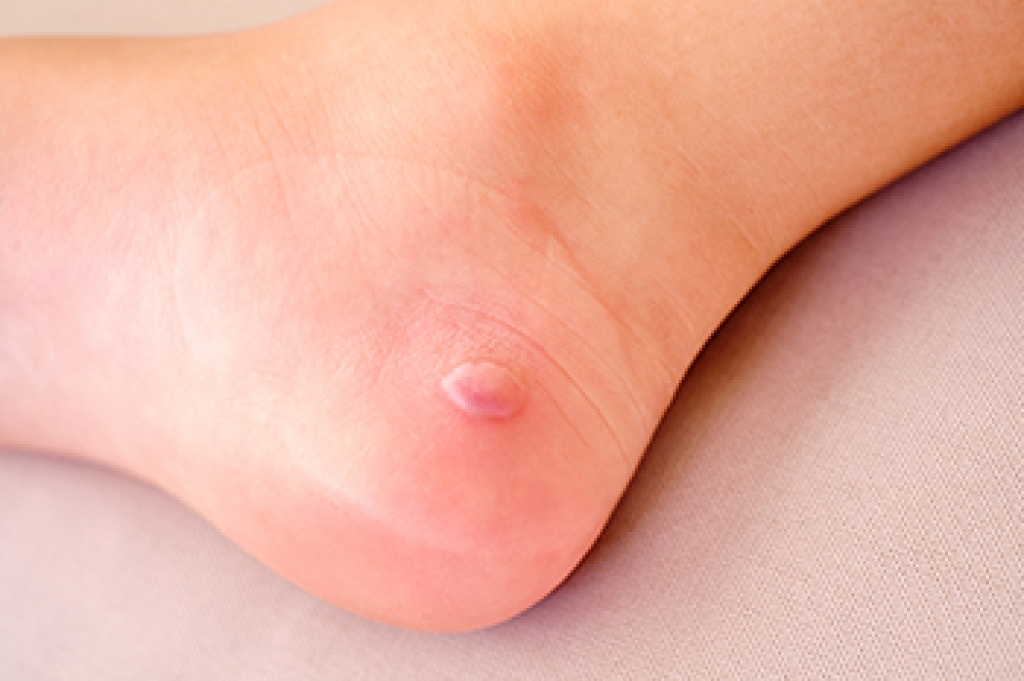
Blisters are fluid-filled pockets that form in the outer layer of skin, often caused by repeated friction, heat, or pressure on the feet. These areas can become painful, especially when walking, and may lead to infection if not managed properly. Safe treatment focuses on protecting the skin and preventing bacteria from entering the area. A podiatrist can evaluate the blister, relieve pressure, and use sterile techniques to drain it. Sterile care means using clean, medical-grade tools and methods to reduce the risk of infection. In cases linked to underlying skin conditions or poor foot alignment, a podiatrist can address the cause of blisters to prevent recurrence. Proper diagnosis also helps rule out more serious concerns, including infections or skin disorders. If you have painful or infected blisters on your feet, it is suggested that you make an appointment with a podiatrist for safe and sterile treatment.

Blisters are prone to making everyday activities extremely uncomfortable. If your feet are hurting, contact one of our podiatrists of William Street Podiatry. Our doctors can provide the care you need to keep you pain-free and on your feet.

Foot Blisters

Foot blisters develop as a result of constantly wearing tight or ill-fitting footwear. This happens due to the constant rubbing from the shoe, which can often lead to pain.

What Are Foot Blisters?

A foot blister is a small fluid-filled pocket that forms on the upper-most layer of the skin. Blisters are filled with clear fluid and can lead to blood drainage or pus if the area becomes infected.

How Do Blisters Form?

Blisters on the feet are often the result of constant friction of skin and material, usually by shoe rubbing. Walking in sandals, boots, or shoes that don’t fit properly for long periods of time can result in a blister. Having consistent foot moisture and humidity can easily lead to blister formation.

Prevention & Treatment

It is important to properly care for the affected area in order to prevent infection and ease the pain. Do not lance the blister and use a Band-Aid to provide pain relief. Also, be sure to keep your feet dry and wear proper fitting shoes. If you see blood or pus in a blister, seek assistance from a podiatrist.

If you have any questions, please feel free to contact one of our offices located in William Street in New York, NY, Forest Hills, NY, and Broadway in New York, NY . We offer the newest diagnostic and treatment technologies for all your foot care needs.
Read more about Blisters

Causes of a Dislocated Toe

A dislocated toe occurs when one of the toe bones is forced out of its normal position, often resulting in pain, swelling, bruising, and a visibly crooked appearance. A child can dislocate a toe during common activities like running, playing sports, or stubbing their foot, which may cause immediate pain, swelling, and difficulty walking. The second toe is the most commonly affected due to its position and involvement in weight-bearing activities. A dislocated toe can make walking difficult and may lead to further complications, if left untreated. A podiatrist can accurately diagnose the dislocation, realign the toe safely, provide supportive taping or splints, and recommend targeted exercises to restore mobility and prevent future injury. If you or your child have incurred a toe injury, it is suggested that you consult a podiatrist who can provide appropriate treatment options.

Toe pain can disrupt your daily activities. If you have any concerns, contact one of our podiatrists of William Street Podiatry. Our doctors can provide the care you need to keep you pain-free and on your feet.

What Causes Toe Pain?

Most severe toe pain is caused due to a sports injury, trauma from dropping something heavy on the toe, or bumping into something rigid. Other problems can develop over time for various reasons.

Toe pain can be caused by one or more ailments. The most common include:

  • Trauma
  • Sports injury
  • Wearing shoes that are too tight
  • Arthritis
  • Gout
  • Corns and calluses
  • Hammertoe
  • Bunions
  • Blisters
  • Ingrown toenails
  • Sprains
  • Fractures (broken bones)
  • Dislocations

When to See a Podiatrist

  • Severe pain
  • Persistent pain that lasts more than a week
  • Signs of infection
  • Continued swelling
  • Pain that prevents walking

Diagnosis

In many cases the cause of toe pain is obvious, but in others, a podiatrist may want to use more advanced methods to determine the problem. These can range from simple visual inspections and sensation tests to X-rays and MRI scans. Prior medical history, family medical history, and any recent physical traumatic events will all be taken into consideration for a proper diagnosis.

Treatment

Treatments for toe pain and injuries vary and may include shoe inserts, padding, taping, medicines, injections, and in some cases, surgery. If you believe that you have broken a toe, please see a podiatrist as soon as possible.

If you have any questions please contact one of our offices located in William Street in New York, NY, Forest Hills, NY, and Broadway in New York, NY . We offer the newest diagnostic and treatment technologies for all your foot and ankle needs.

Read more about Toe Pain

Connect With Us