Our 61 Broadway office is moving to 55 Boadway on August 1, 2026

Treating Heel Spurs With Podiatric Care

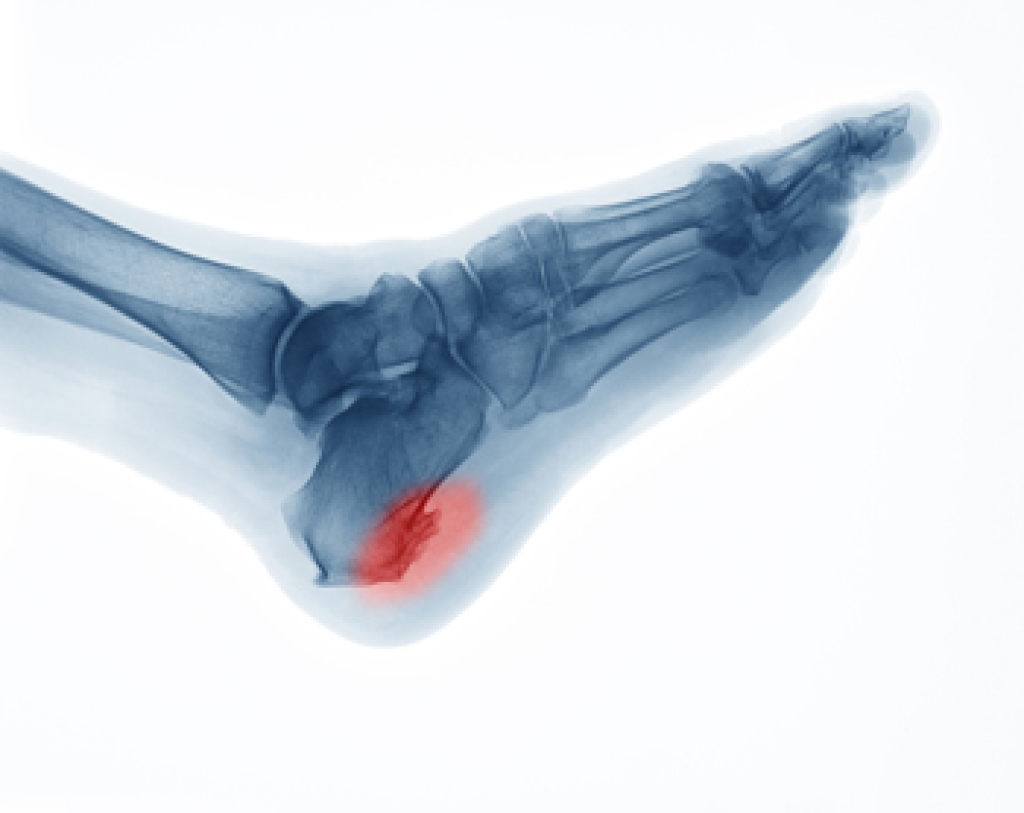
Heel spurs are bony growths that develop on the underside of the heel bone. Although they are often associated with heel pain, not all heel spurs cause symptoms. These growths typically form gradually as a result of repeated stress and strain on the foot. The condition is commonly linked to irritation of the tissues that connect the heel to the toes, as well as long-term tension on the heel bone. When symptoms occur, individuals may experience pain in the heel during walking, standing, or other weight-bearing activities. The discomfort can range from mild irritation to persistent pain that affects daily routines and overall mobility.

Several factors may increase the likelihood of developing heel spurs. Repetitive stress from walking, running, or prolonged standing can place extra pressure on the heel. Certain foot structures and movement patterns may also contribute to increased strain in the area. Over time, the body may respond to this stress by forming a small bony projection where tissues attach to the heel bone. Many people with heel spurs also experience inflammation and irritation in the surrounding soft tissues, which is often the primary source of pain. Because heel pain can result from several conditions, obtaining an accurate diagnosis is important for determining the underlying cause and appropriate treatment plan.

A podiatrist can evaluate heel pain and determine whether a heel spur is contributing to symptoms. Through a comprehensive examination of the foot and ankle, a podiatrist can assess foot structure, gait, and overall function. Professional podiatric care focuses on identifying the source of discomfort and addressing factors that place excessive stress on the heel. Early intervention may help improve mobility, reduce pain, and prevent symptoms from becoming more severe. Maintaining healthy foot mechanics is important for long-term comfort and activity. If you have heel pain related to heel spurs, it is suggested that you consult a podiatrist for an evaluation and appropriate treatment options.

Heel spurs can be incredibly painful and sometimes may make you unable to participate in physical activities. To get medical care for your heel spurs, contact one of our podiatrists from William Street Podiatry. Our doctors will do everything possible to treat your condition.

Heels Spurs

Heel spurs are formed by calcium deposits on the back of the foot where the heel is. This can also be caused by small fragments of bone breaking off one section of the foot, attaching onto the back of the foot. Heel spurs can also be bone growth on the back of the foot and may grow in the direction of the arch of the foot.

Older individuals usually suffer from heel spurs and pain sometimes intensifies with age. One of the main condition's spurs are related to is plantar fasciitis.

Pain

The pain associated with spurs is often because of weight placed on the feet. When someone is walking, their entire weight is concentrated on the feet. Bone spurs then have the tendency to affect other bones and tissues around the foot. As the pain continues, the feet will become tender and sensitive over time.

Treatments

There are many ways to treat heel spurs. If one is suffering from heel spurs in conjunction with pain, there are several methods for healing. Medication, surgery, and herbal care are some options.

If you have any questions, please feel free to contact one of our offices located in William Street in New York, NY, Forest Hills, NY, and Broadway in New York, NY . We offer the newest diagnostic and treatment technologies for all your foot care needs.

Read more about How to Treat Heel Spurs

How to Recognize Toenail Fungus

Toenail fungus often begins with small changes that are easy to miss. A common early sign includes a white, yellow, or brown spot near the tip of the toenail. The nail may also look dull, become thicker, or start to feel brittle and weak. As the infection spreads, the nail can separate from the skin underneath, which may cause discomfort when walking or wearing shoes. In some cases, debris can build up under the nail, and the nail may develop an unpleasant odor. Toenail fungus is more likely to develop in warm, moist places and can happen after nail injuries or from wearing tight shoes . A podiatrist can examine the nail, confirm if fungus is present, and provide treatment that includes trimming damaged nail tissue and prescribing antifungal medicine to stop the infection from spreading. If you have symptoms of toenail fungus, it is suggested that you schedule an appointment with a podiatrist for a diagnosis and appropriate treatment.

For more information about treatment, contact one of our podiatrists of William Street Podiatry. Our doctors can provide the care you need to keep you pain-free and on your feet.

Toenail Fungus Treatment

Toenail fungus is a condition that affects many people and can be especially hard to get rid of. Fortunately, there are several methods to go about treating and avoiding it.

Antifungals & Deterrence

Oral antifungal medicine has been shown to be effective in many cases. It is important to consult with a podiatrist to determine the proper regiment for you, or potentially explore other options.

Applying foot powder on the feet and shoes helps keep the feet free of moisture and sweat.

Sandals or open toed shoes – Wearing these will allow air movement and help keep feet dry. They also expose your feet to light, which fungus cannot tolerate. Socks with moisture wicking material also help as well.

If you have any questions please contact one of our offices located in William Street in New York, NY, Forest Hills, NY, and Broadway in New York, NY . We offer the newest diagnostic and treatment technologies for all your foot and ankle needs.

Read more about How to Treat Your Toenail Fungus

Choosing Shoes for Growing Feet

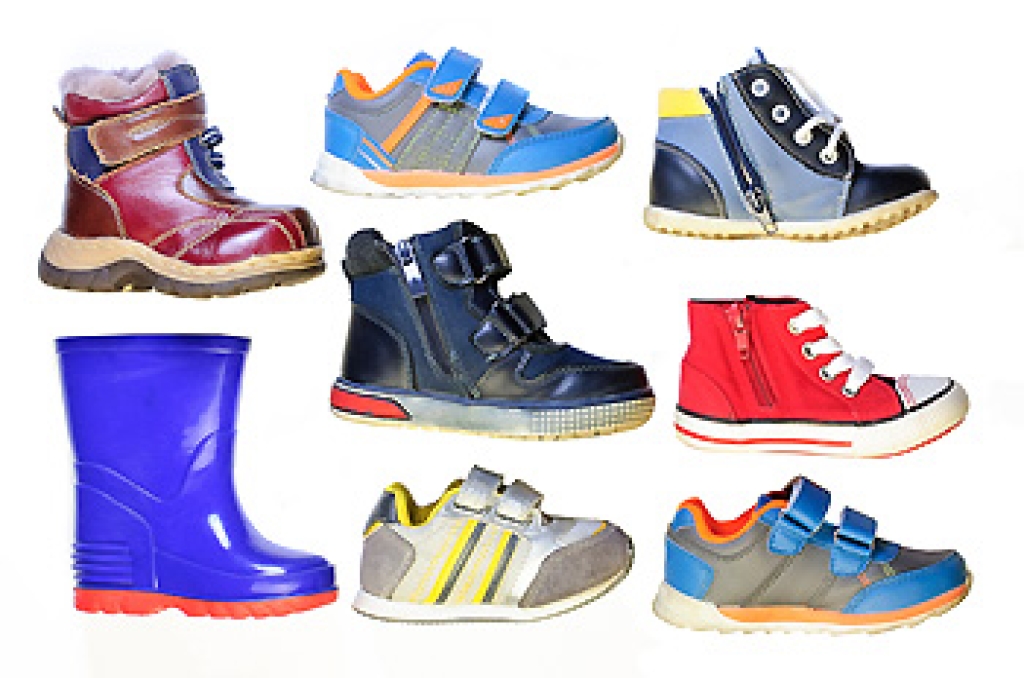
Babies do not always need shoes right away, but once they begin standing and walking, proper footwear becomes important for healthy development. Early shoes should be lightweight with flexible soles that allow natural movement. A correct fit is essential, as tight shoes can restrict growth and lead to discomfort or changes in foot shape. Non-skid soles help provide stability as babies learn balance and coordination. When shoes are too stiff or poorly fitted, they may interfere with normal walking patterns and cause strain on small joints. Parents may notice redness, fussiness, or uneven steps if there is a problem. A podiatrist can assess foot development, ensure proper fit, and recommend appropriate shoe types for each stage. If your child has foot pain, it is suggested that you consult a podiatrist who can offer effective treatment tips and guide you on what type of shoes to purchase.

Making sure that your children maintain good foot health is very important as they grow. If you have any questions, contact one of our podiatrists of William Street Podiatry. Our doctors can provide the care you need to keep you pain-free and on your feet.

Keeping Children's Feet Healthy

Having healthy feet during childhood can help prevent medical problems later in life, namely in the back and legs. As children grow, their feet require different types of care. Here are some things to consider...

Although babies do not walk yet, it is still very important to take care of their feet.

Avoid putting tight shoes or socks on his or her feet.

Allow the baby to stretch and kick his or her feet to feel comfortable.

As a toddler, kids are now on the move and begin to develop differently. At this age, toddlers are getting a feel for walking, so don’t be alarmed if your toddler is unsteady or ‘walks funny’. 

As your child gets older, it is important to teach them how to take care of their feet.

Show them proper hygiene to prevent infections such as fungus.

Be watchful for any pain or injury.

Have all injuries checked by a doctor as soon as possible.

Comfortable, protective shoes should always be worn, especially at play.

If you have any questions, please feel free to contact one of our offices located in William Street in New York, NY, Forest Hills, NY, and Broadway in New York, NY . We offer the newest diagnostic and treatment technologies for all your foot care needs.

Read more about How to Care for Your Child's Feet

Do Your Child's Feet Hurt?

Have your child's feet been examined lately? Healthy feet are happy feet. If your child is complaining of foot pain, it may be a sign of underlying problems.

Preventing Falls With Exercises

Falls are a common concern for older adults and others with balance problems. But specific exercises can help improve stability and lower the risk of injury. Simple movements such as heel raises, side-stepping, and standing on one foot help strengthen muscles in the feet, ankles, and legs. These exercises also improve coordination and body awareness while walking. Balance exercises are often done near a sturdy chair or counter for support. Regular movement helps people feel more confident while standing, climbing stairs, and changing direction. A podiatrist can examine the feet and ankles to determine whether weakness, nerve damage, or foot pain is affecting balance. Treatment includes custom orthotics, supportive footwear recommendations, and exercises designed to improve stability and reduce fall risk. If you have balance problems or have injured your foot or ankle from falling,  it is suggested that you schedule an appointment with a podiatrist.

Preventing falls among the elderly is very important. If you are older and have fallen or fear that you are prone to falling, consult with one of our podiatrists from William Street Podiatry. Our doctors will assess your condition and provide you with quality advice and care.

Every 11 seconds, an elderly American is being treated in an emergency room for a fall related injury. Falls are the leading cause of head and hip injuries for those 65 and older. Due to decreases in strength, balance, senses, and lack of awareness, elderly persons are very susceptible to falling. Thankfully, there are a number of things older persons can do to prevent falls.

How to Prevent Falls

Some effective methods that older persons can do to prevent falls include:

  • Enrolling in strength and balance exercise program to increase balance and strength
  • Periodically having your sight and hearing checked
  • Discuss any medications you have with a doctor to see if it increases the risk of falling
  • Clearing the house of falling hazards and installing devices like grab bars and railings
  • Utilizing a walker or cane
  • Wearing shoes that provide good support and cushioning
  • Talking to family members about falling and increasing awareness

Falling can be a traumatic and embarrassing experience for elderly persons; this can make them less willing to leave the house, and less willing to talk to someone about their fears of falling. Doing such things, however, will increase the likelihood of tripping or losing one’s balance. Knowing the causes of falling and how to prevent them is the best way to mitigate the risk of serious injury.  

If you have any questions, please feel free to contact one of our offices located in William Street in New York, NY, Forest Hills, NY, and Broadway in New York, NY . We offer the newest diagnostic and treatment technologies for all your foot care needs.

Read more about Falls Prevention

Connect With Us