
Our 61 Broadway office is moving to 55 Boadway on August 1, 2026

Causes and Treatments for a Broken Ankle

A broken ankle, involving a fracture of the bones in the lower leg above the foot, can result from various stresses on the ankle joint, often due to accidents or injuries. This may include rolling the ankle, twisting it, or sustaining significant force, such as landing heavily from a height. Determining whether the ankle is sprained or broken can be challenging, as both can be painful. Common signs of an ankle injury or fracture include pain, swelling, bruising, and deformity. A broken ankle is typically very painful, especially when bearing weight. Treatment for a broken ankle varies based on the type and severity of the fracture. It often involves immobilization using a boot or cast to allow for healing, along with non-weight bearing using crutches. More severe cases may require surgical intervention. After immobilization, the ankle can be left weak, stiff, and still painful. Exercises will then be needed to aid full recovery. If you suspect a broken ankle, it is suggested that you make an appointment with a podiatrist for a proper diagnosis and treatment.

Broken ankles need immediate treatment. If you are seeking treatment, contact one of our podiatrists from William Street Podiatry. Our doctors can provide the care you need to keep you pain-free and on your feet. 

Broken Ankles
A broken ankle is experienced when a person fractures their tibia or fibula in the lower leg and ankle area. Both of these bones are attached at the bottom of the leg and combine to form what we know to be our ankle.

When a physician is referring to a break of the ankle, he or she is usually referring to a break in the area where the tibia and fibula are joined to create our ankle joint. Ankles are more prone to fractures because the ankle is an area that suffers a lot of pressure and stress. There are some obvious signs when a person experiences a fractured ankle, and the following symptoms may be present.

Symptoms of a Fractured Ankle

  • Excessive pain when the area is touched or when any pressure is placed on the ankle
  • Swelling around the area
  • Bruising of the area
  • Area appears to be deformed

If you suspect an ankle fracture, it is recommended to seek treatment as soon as possible. The sooner you have your podiatrist diagnose the fracture, the quicker you’ll be on the way towards recovery.

If you have any questions, please feel free to contact one of our offices located in William Street in New York, NY, Forest Hills, NY, and Broadway in New York, NY . We offer the newest diagnostic and treatment technologies for all your foot care needs.

Read more about Broken Ankle Causes, Differences, Symptoms and Treatments

Causes, Definition, and Embracing Life While Living With a Bunion

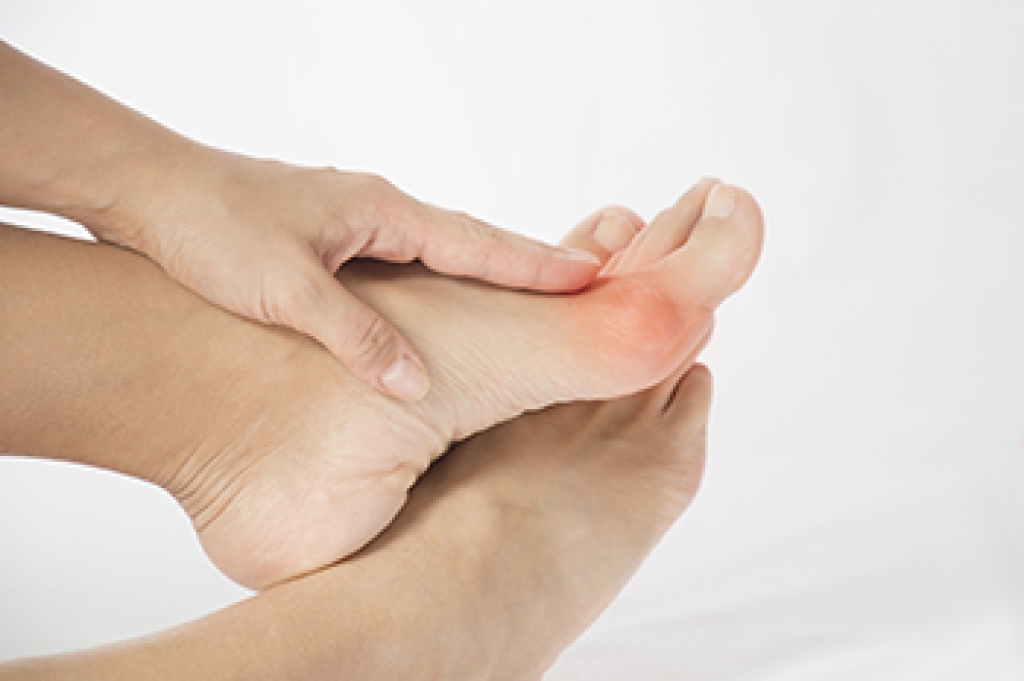
Bunions are a prevalent foot condition, bringing discomfort and challenges to daily life. These bony protrusions, medically known as hallux valgus, develop at the joint where the big toe meets the foot. They often occur from a combination of factors, including genetics, ill- fitting footwear, and structural anomalies in the foot. Defined by the outward deviation of the big toe and the subsequent misalignment of bones, bunions can cause pain, swelling, and difficulty in finding comfortable shoes. Living with bunions requires proactive measures. Choosing shoes that have ample toe space and arch support can help to reduce discomfort. Surgery may be needed for removal if the bunion is severe and affecting the other toes. If you have a bunion, it is strongly suggested that you are under the care of a podiatrist who can provide you with treatment options that are right for you.

If you are suffering from bunions, contact one of our podiatrists of William Street Podiatry. Our doctors can provide the care you need to keep you pain-free and on your feet.

What Is a Bunion?

A bunion is formed of swollen tissue or an enlargement of boney growth, usually located at the base joint of the toe that connects to the foot. The swelling occurs due to the bones in the big toe shifting inward, which impacts the other toes of the foot. This causes the area around the base of the big toe to become inflamed and painful.

Why Do Bunions Form?

Genetics – Susceptibility to bunions are often hereditary

Stress on the feet – Poorly fitted and uncomfortable footwear that places stress on feet, such as heels, can worsen existing bunions

How Are Bunions Diagnosed?

Podiatrists often perform two tests – blood tests and x-rays – when trying to diagnose bunions, especially in the early stages of development. Blood tests help determine if the foot pain is being caused by something else, such as arthritis, while x-rays provide a clear picture of your bone structure to your provider.

How Are Bunions Treated?

  • Refrain from wearing heels or similar shoes that cause discomfort
  • Select wider shoes that can provide more comfort and reduce pain
  • Anti-inflammatory and pain management drugs
  • Orthotics or foot inserts
  • Surgery

If you have any questions, please feel free to contact one of our offices located in William Street in New York, NY, Forest Hills, NY, and Broadway in New York, NY . We offer the newest diagnostic and treatment technologies for all your foot care needs.

Read more about Bunions

Are You Suffering From Ingrown Toenails?

If left untreated, an ingrown toenail can lead to more serious concerns, such as an infection. Knowing proper nail care can help in the prevention of an ingrown toenail. Give us a call, and get treated!

Risk Factors Associated With Foot Corns

Foot corns are hard, raised bumps that form due to excessive pressure or friction on the foot, leading to the deposit of keratin in the skin layers. Corns on the feet typically develop on or between the toes, below the toenail bed, or on the sole of the foot. Common causes include wearing tight or ill-fitting shoes, walking or running barefoot, and prolonged standing. The symptoms of foot corns include discomfort while walking or standing, pain, and in some cases, a burning sensation. To treat foot corns, it is essential to soften the skin and remove the thickened layers. This can be achieved through soaking the feet in warm water or using a pumice stone. Addressing the underlying cause is crucial to prevent recurrence, and this may involve changing shoe type or size. Certain risk factors can increase the likelihood of developing foot corns, such as diabetes, foot deformities, poor blood circulation, and overpronation or oversupination while walking. If over-the-counter remedies don't provide relief, it is suggested that you make an appointment with a podiatrist, which is especially important for anyone with diabetes or foot deformities. 

If you have any concerns regarding your feet and ankles, contact one of our podiatrists of William Street Podiatry. Our doctors will treat your foot and ankle needs.

Corns: What Are They? and How Do You Get Rid of Them?
Corns can be described as areas of the skin that have thickened to the point of becoming painful or irritating. They are often layers and layers of the skin that have become dry and rough, and are normally smaller than calluses.

Ways to Prevent Corns
There are many ways to get rid of painful corns such as wearing:

  • Well-fitting socks
  • Comfortable shoes that are not tight around your foot
  • Shoes that offer support

Treating Corns
Treatment of corns involves removing the dead skin that has built up in the specific area of the foot. Consult with Our doctors to determine the best treatment option for your case of corns.

If you have any questions, please feel free to contact one of our offices located in William Street in New York, NY, Forest Hills, NY, and Broadway in New York, NY . We offer the newest diagnostic and treatment technologies for all your foot care needs.
Read more about Corns and Calluses

Causes of Adult Acquired Flat Feet

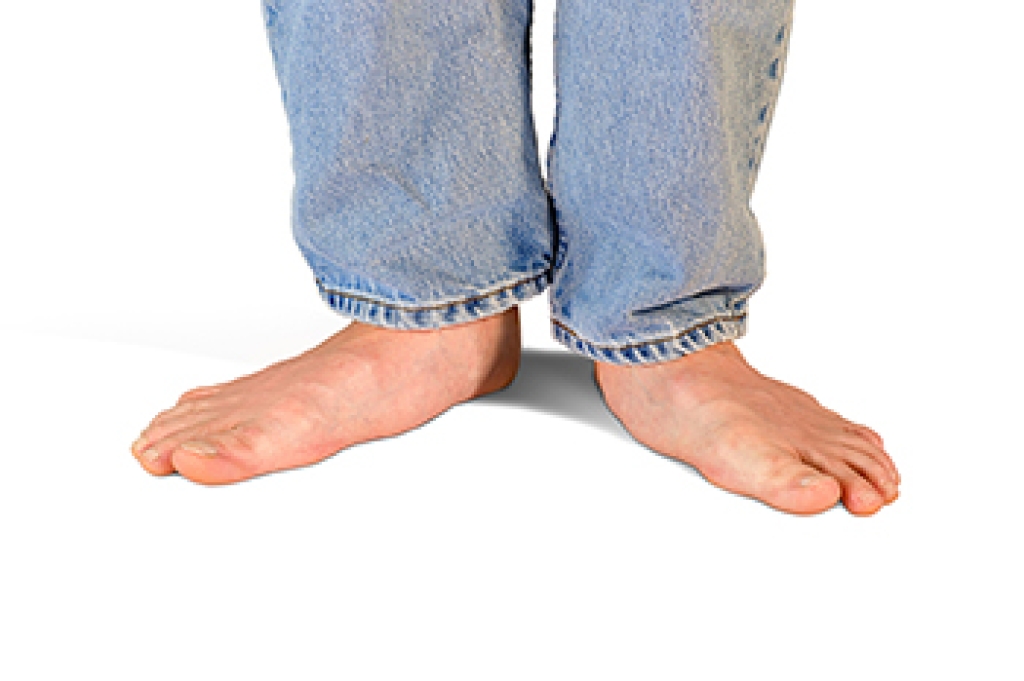
Fallen arches is a condition that is termed posterior tibial tendon dysfunction, or PTTD. It also may be referred to as adult-acquired flat feet. Many people with flat feet suffer little or no problems. But others may experience pain if a tendon in the arch of the foot becomes inflamed, overstretched, or torn. The problem starts with the posterior tibial tendon, which begins in the leg, runs through the ankle, and connects to the bones in the bottom of the foot. When it is damaged, it can result in flat feet. This type of occurrence is far more prevalent in women, especially those between 40 and 60 years old. It is believed to be the result of overuse of the posterior tibial tendon. It is also common among runners and athletes who play high-impact sports. Other causes include diabetes, obesity, and high blood pressure. Symptoms include pain on the inside of the foot and ankle, accompanied by swelling, redness, and warmth. Symptoms usually spike after engaging in physical activity, such as jumping and running. For more information on this type of injury, it is suggested that you make an appointment with a podiatrist.

Flatfoot is a condition many people suffer from. If you have flat feet, contact one of our podiatrists from William Street Podiatry. Our doctors will treat your foot and ankle needs.

What Are Flat Feet?

Flatfoot is a condition in which the arch of the foot is depressed and the sole of the foot is almost completely in contact with the ground. About 20-30% of the population generally has flat feet because their arches never formed during growth.

Conditions & Problems:

Having flat feet makes it difficult to run or walk because of the stress placed on the ankles.

Alignment – The general alignment of your legs can be disrupted, because the ankles move inward which can cause major discomfort.

Knees – If you have complications with your knees, flat feet can be a contributor to arthritis in that area.  

Symptoms

  • Pain around the heel or arch area
  • Trouble standing on the tip toe
  • Swelling around the inside of the ankle
  • Flat look to one or both feet
  • Having your shoes feel uneven when worn

Treatment

If you are experiencing pain and stress on the foot you may weaken the posterior tibial tendon, which runs around the inside of the ankle. 

If you have any questions, please feel free to contact one of our offices located in William Street in New York, NY, Forest Hills, NY, and Broadway in New York, NY . We offer the newest diagnostic and treatment technologies for all your foot care needs.

Read more about What is Flexible Flat Foot?

Connect With Us