
Our 61 Broadway office is moving to 55 Broadway #602 on September 8th, 2026

Healthy Feet for Older Adults

Healthy feet play an important role in staying active, independent, and safe as people grow older. Aging can change the joints, muscles, and bones of the feet, making them more vulnerable to pain and injury. The skin often becomes thinner and drier, while the natural padding on the bottom of the feet gradually decreases. These changes can make standing and walking less comfortable. Arthritis, poor circulation, and changes in foot shape also can increase the risk of foot problems. Symptoms include pain, stiffness, and difficulty while walking. Some older adults also notice balance problems or reduced feeling in their feet, which can increase the risk of falls. Regular foot care helps identify these concerns before they become more serious.

A podiatrist performs a detailed examination to evaluate the overall health of the feet. The evaluation includes checking the skin, toenails, and circulation. They may also look at foot structure, and joint movement. The podiatrist also observes how the patient stands and walks because changes in gait can increase pressure on certain areas of the feet. Gait is the body's walking pattern. The examination also looks for corns, calluses, and other conditions that can affect comfort and stability. Early diagnosis allows treatment to begin before foot problems interfere with mobility or independence. Routine podiatry visits also help monitor changes that naturally occur with aging.

Professional foot care focuses on maintaining comfort, improving stability, and protecting long-term foot health in older adults. A podiatrist can safely treat corns, fungal nail infections, and ingrown toenails before they become more painful. Care also includes custom orthotics that improve foot alignment and distribute pressure more evenly. The podiatrist can recommend shoes that fit properly and provide good support to improve comfort while walking. Regular follow-up visits help monitor foot health and reduce the risk of falls caused by painful foot conditions. Healthy feet support better balance, greater confidence, and continued independence. If you have symptoms of foot pain or other foot problems, it is suggested that you schedule an appointment with a podiatrist for diagnosis and treatment.

If you need your feet checked, contact one of our podiatrists of William Street Podiatry. Our doctors will attend to all of your foot and ankle needs and provide you with quality treatment.

Geriatrics and Podiatry
When people age, some common issues that may occur are bone density loss, dry skin, poor circulation, and rough brittle nails. These issues may also affect your foot health if the necessary steps are not taken to alleviate the problems.

It is important to take care of your feet because feet that are injured or diseased can affect your overall health. Having painful feet hinders your ability to do daily activities or may decrease your willingness to do the things that you need to do.

Visiting Your Geriatrician
As we age, health problems become more likely, so it is essential to visit your doctor for check-ups to ensure that you are doing the best you can to take care of your health. It is recommended to check your feet frequently for any possible cuts, bruises, swelling, corns or any other irregularities. 

Taking Care of Elderly Feet
Cracked or dry feet can be treated by applying moisturizer often. It is also important not to wear old socks because the older the sock is, the higher the possibility there will be that there is bacteria there. Wear fresh socks and make sure they fit properly.

Proper foot health means that you can have a more active lifestyle and you will not be bogged down by pain. Foot health also leads to good circulation, which is paramount for overall health.

If you have any questions, please feel free to contact one of our offices located in William Street in New York, NY, Forest Hills, NY, and Broadway in New York, NY . We offer the newest diagnostic and treatment technologies for all your foot care needs.

Read more about Geriatrics and Podiatry

How Peripheral Artery Disease Affects Foot Health

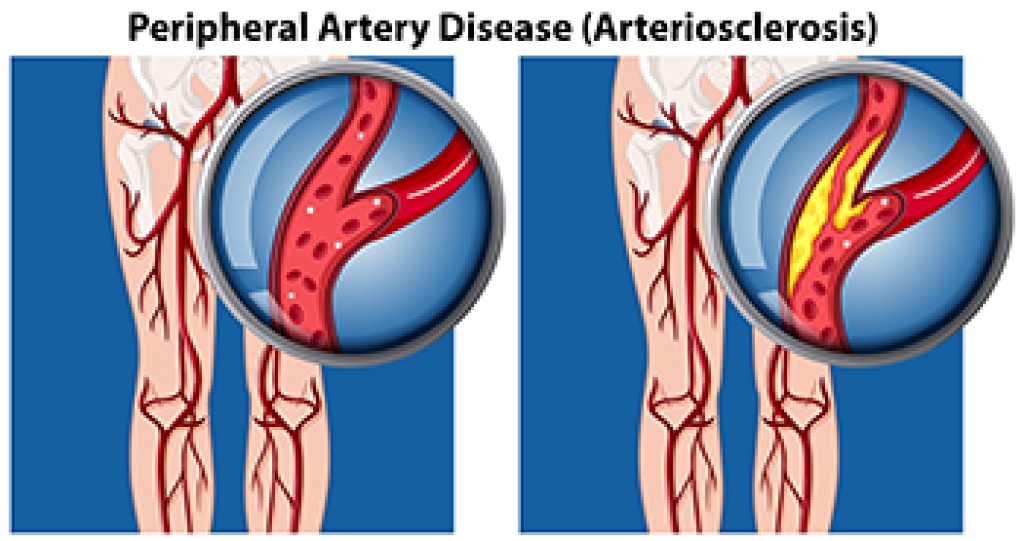
Peripheral artery disease, or PAD, develops when the arteries that carry oxygen-rich blood become narrowed by fatty deposits called plaque. As blood flow decreases, the feet and legs receive less oxygen and fewer nutrients. This can cause pain, slow healing, and changes in skin health. Smoking is a leading risk factor, although diabetes, increasing age, and high cholesterol may also contribute. Symptoms include cramping in the calves while walking, numbness, or feet that look pale or slightly bluish. Small cuts or sores can heal very slowly because healthy circulation is limited. Since these symptoms can resemble other foot problems, a careful evaluation by a podiatrist is important to identify the true cause.

A podiatrist plays an important role in recognizing signs of PAD before serious complications develop. The examination includes checking the skin, nails, temperature, and pulses in the feet. It also includes asking questions about pain while walking and changes in activity. Diagnostic testing can measure blood flow and help determine whether narrowed arteries are affecting the feet. Early diagnosis helps protect foot health and lowers the risk of severe tissue damage. In advanced cases, poor circulation can increase the chance of infection, open wounds, or loss of tissue. A podiatrist can coordinate care with other healthcare providers when circulation problems require additional evaluation.

Regular foot examinations are especially important for people with PAD because reduced blood flow makes even minor foot problems more difficult to heal. A podiatrist can monitor changes in circulation, treat foot wounds, and reduce pressure on affected areas. These measures can help prevent complications that threaten mobility. Professional podiatric care also helps identify warning signs before they become more serious. Prompt attention to pain, skin changes, or slow-healing sores can protect the feet and support better long-term health. If you have symptoms of peripheral artery disease that affect your feet, it is suggested that you schedule an appointment with a podiatrist for effective relief and management solutions.

Peripheral artery disease can pose a serious risk to your health. It can increase the risk of stroke and heart attack. If you have symptoms of peripheral artery disease, consult with one of our podiatrists from William Street Podiatry. Our doctors will assess your condition and provide you with quality foot and ankle treatment.

Peripheral artery disease (PAD) is when arteries are constricted due to plaque (fatty deposits) build-up. This results in less blood flow to the legs and other extremities. The main cause of PAD is atherosclerosis, in which plaque builds up in the arteries.

Symptoms

Symptoms of PAD include:

  • Claudication (leg pain from walking)
  • Numbness in legs
  • Decrease in growth of leg hair and toenails
  • Paleness of the skin
  • Erectile dysfunction
  • Sores and wounds on legs and feet that won’t heal
  • Coldness in one leg

It is important to note that a majority of individuals never show any symptoms of PAD.

Diagnosis

While PAD occurs in the legs and arteries, Podiatrists can diagnose PAD. Podiatrists utilize a test called an ankle-brachial index (ABI). An ABI test compares blood pressure in your arm to you ankle to see if any abnormality occurs. Ultrasound and imaging devices may also be used.

Treatment

Fortunately, lifestyle changes such as maintaining a healthy diet, exercising, managing cholesterol and blood sugar levels, and quitting smoking, can all treat PAD. Medications that prevent clots from occurring can be prescribed. Finally, in some cases, surgery may be recommended.

If you have any questions, please feel free to contact one of our offices located in William Street in New York, NY, Forest Hills, NY, and Broadway in New York, NY . We offer the newest diagnostic and treatment technologies for all your foot care needs.
Read more about Peripheral Artery Disease

Why Live with Pain and Numbness in Your Feet?

Suffering from this type of pain? You may have the foot condition known as Morton's neuroma. Morton's neuroma may develop as a result of ill-fitting footwear and existing foot deformities. We can help.

How a Podiatrist Diagnoses and Treats Broken Toes

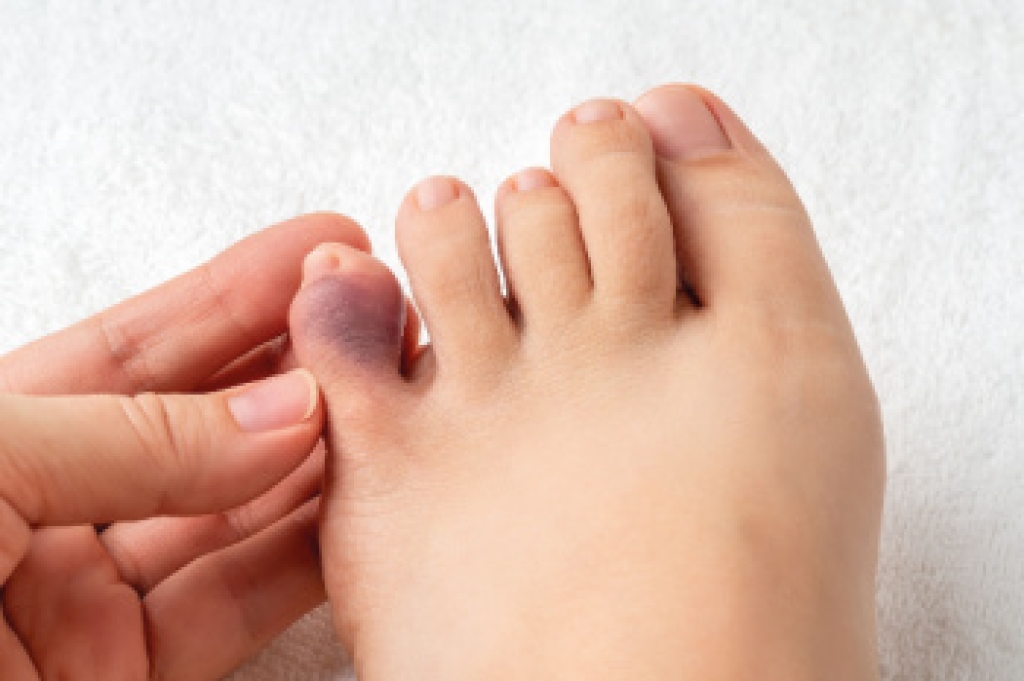
A broken toe can make every step uncomfortable and interfere with work, exercise, and daily routines. This injury usually happens after the toe strikes a hard object or a heavy item falls on the foot. A broken toe can also result from a twisting injury. Pain, swelling, and bruising are common signs. Some people notice that the toe looks crooked or becomes difficult to move. Because these symptoms can resemble a sprain or a severe bruise, a careful examination is important. A podiatrist evaluates the injured toe, checks its position, and determines whether nearby joints have also been affected. X-rays provide clear images of the bones and help confirm the diagnosis. Identifying the exact location and severity of the break allows the podiatrist to develop the most effective treatment plan.

Broken toes vary in severity. Some fractures remain in their normal position, while others shift out of alignment. A fracture is the medical term for a broken bone. Damage can involve one bone or several bones in the toe. In some cases, the injury extends into a nearby joint, which can affect movement and increase discomfort. A podiatrist carefully evaluates the condition of the bones, joints, and surrounding soft tissues. Prompt diagnosis helps reduce the risk of improper healing, long-term pain, and lasting changes in foot function. Early treatment also supports proper bone alignment and helps protect normal movement while walking.

Treatment depends on the location of the break and how far the bone has moved. A podiatrist develops a treatment plan that promotes proper healing and helps restore foot function. Care includes protecting the injured toe, monitoring healing with follow-up examinations, and recommending supportive devices when appropriate. More severe fractures sometimes require surgery to place the bones in their proper position. Regular follow-up visits allow the podiatrist to monitor healing and make treatment adjustments when necessary. Professional care also helps lower the risk of stiffness, ongoing pain, and future foot problems. If you have  broken your toe, it is suggested that you  promptly schedule an appointment with a podiatrist for appropriate treatment solutions.

A broken toe can be very painful and lead to complications if not properly fixed. If you have any concerns about your feet, contact one of our podiatrists from William Street Podiatry. Our doctors will treat your foot and ankle needs.

What to Know About a Broken Toe

Although most people try to avoid foot trauma such as banging, stubbing, or dropping heavy objects on their feet, the unfortunate fact is that it is a common occurrence. Given the fact that toes are positioned in front of the feet, they typically sustain the brunt of such trauma. When trauma occurs to a toe, the result can be a painful break (fracture).

Symptoms of a Broken Toe

  • Throbbing pain
  • Swelling
  • Bruising on the skin and toenail
  • The inability to move the toe
  • Toe appears crooked or disfigured
  • Tingling or numbness in the toe

Generally, it is best to stay off of the injured toe with the affected foot elevated.

Severe toe fractures may be treated with a splint, cast, and in some cases, minor surgery. Due to its position and the pressure it endures with daily activity, future complications can occur if the big toe is not properly treated.

If you have any questions, please feel free to contact one of our offices located in William Street in New York, NY, Forest Hills, NY, and Broadway in New York, NY . We offer the newest diagnostic and treatment technologies for all your foot care needs.
Read more about What to Know About a Broken Toe

How Diabetic Neuropathy Affects the Feet

Peripheral neuropathy is a diabetes-related condition that affects the nerves, most often in the feet and lower legs. High blood sugar can damage nerves and interfere with the signals they send to the brain. As a result, a person may lose normal feeling in the feet or experience uncomfortable sensations. Symptoms include numbness, tingling, and burning pain. Some people notice sharp, shooting discomfort that becomes worse at night. Others develop reduced sensitivity to temperature or touch. Because nerve damage can make it difficult to feel injuries, even a small cut or blister can become a serious problem when unnoticed. Diabetic neuropathy can also affect balance and increase the risk of falls.

Several factors increase the risk of diabetic neuropathy. Poor blood sugar control is one of the most significant causes. The risk also rises with longer-lasting diabetes, smoking, and poor circulation. Nerve damage can lead to changes in the shape of the feet, and some people develop muscle weakness that affects how they walk. Others notice cramping, foot fatigue, or difficulty maintaining stability while walking. Loss of feeling in the feet is particularly concerning because it reduces awareness of injuries and pressure points. This increases the chance of skin breakdown, infection, and foot ulcers.

A podiatrist plays an important role in identifying and managing diabetic neuropathy. A podiatrist evaluates sensation, circulation, and foot structure. Regular foot exams help detect problems before they become severe. Treatment includes monitoring nerve-related changes, addressing pressure areas, and helping prevent wounds. A podiatrist can also recommend shoes that provide proper support and protection for feet affected by nerve damage. Patients with diabetic neuropathy benefit from consistent podiatric care because foot problems can develop without obvious warning signs. Prompt attention to numbness, burning, tingling, or unexplained foot pain is essential. It can help reduce the risk of serious complications and preserve mobility. If you have symptoms of diabetic neuropathy, it is suggested that you are under the care of a podiatrist who can provide effective relief and management tips. 

Neuropathy

Neuropathy can be a potentially serious condition, especially if it is left undiagnosed. If you have any concerns that you may be experiencing nerve loss in your feet, consult with one of our podiatrists from William Street Podiatry. Our doctors will assess your condition and provide you with quality foot and ankle treatment for neuropathy.

What Is Neuropathy?

Neuropathy is a condition that leads to damage to the nerves in the body. Peripheral neuropathy, or neuropathy that affects your peripheral nervous system, usually occurs in the feet. Neuropathy can be triggered by a number of different causes. Such causes include diabetes, infections, cancers, disorders, and toxic substances.

Symptoms of Neuropathy Include:

  • Numbness
  • Sensation loss
  • Prickling and tingling sensations
  • Throbbing, freezing, burning pains
  • Muscle weakness

Those with diabetes are at serious risk due to being unable to feel an ulcer on their feet. Diabetics usually also suffer from poor blood circulation. This can lead to the wound not healing, infections occurring, and the limb may have to be amputated.

Treatment

To treat neuropathy in the foot, podiatrists will first diagnose the cause of the neuropathy. Figuring out the underlying cause of the neuropathy will allow the podiatrist to prescribe the best treatment, whether it be caused by diabetes, toxic substance exposure, infection, etc. If the nerve has not died, then it’s possible that sensation may be able to return to the foot.

Pain medication may be issued for pain. Electrical nerve stimulation can be used to stimulate nerves. If the neuropathy is caused from pressure on the nerves, then surgery may be necessary.

If you have any questions, please feel free to contact one of our offices located in William Street in New York, NY, Forest Hills, NY, and Broadway in New York, NY . We offer the newest diagnostic and treatment technologies for all your foot care needs.

Read more about Neuropathy

Connect With Us