Items filtered by date: April 2026
It's Time for Beautiful Feet

You don't need an excuse to have beautiful nails. Step outside without worrying about the appearance of your feet.
Safe Treatment for Blisters
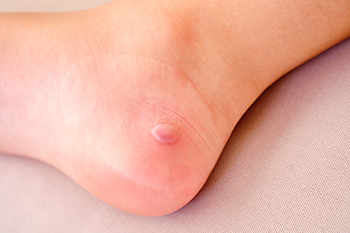
Blisters are fluid-filled pockets that form in the outer layer of skin, often caused by repeated friction, heat, or pressure on the feet. These areas can become painful, especially when walking, and may lead to infection if not managed properly. Safe treatment focuses on protecting the skin and preventing bacteria from entering the area. A podiatrist can evaluate the blister, relieve pressure, and use sterile techniques to drain it. Sterile care means using clean, medical-grade tools and methods to reduce the risk of infection. In cases linked to underlying skin conditions or poor foot alignment, a podiatrist can address the cause of blisters to prevent recurrence. Proper diagnosis also helps rule out more serious concerns, including infections or skin disorders. If you have painful or infected blisters on your feet, it is suggested that you make an appointment with a podiatrist for safe and sterile treatment.
Blisters are prone to making everyday activities extremely uncomfortable. If your feet are hurting, contact one of our podiatrists of William Street Podiatry. Our doctors can provide the care you need to keep you pain-free and on your feet.
Foot Blisters
Foot blisters develop as a result of constantly wearing tight or ill-fitting footwear. This happens due to the constant rubbing from the shoe, which can often lead to pain.
What Are Foot Blisters?
A foot blister is a small fluid-filled pocket that forms on the upper-most layer of the skin. Blisters are filled with clear fluid and can lead to blood drainage or pus if the area becomes infected.
How Do Blisters Form?
Blisters on the feet are often the result of constant friction of skin and material, usually by shoe rubbing. Walking in sandals, boots, or shoes that don’t fit properly for long periods of time can result in a blister. Having consistent foot moisture and humidity can easily lead to blister formation.
Prevention & Treatment
It is important to properly care for the affected area in order to prevent infection and ease the pain. Do not lance the blister and use a Band-Aid to provide pain relief. Also, be sure to keep your feet dry and wear proper fitting shoes. If you see blood or pus in a blister, seek assistance from a podiatrist.
If you have any questions, please feel free to contact one of our offices located in William Street in New York, NY, Forest Hills, NY, and Broadway in New York, NY . We offer the newest diagnostic and treatment technologies for all your foot care needs.
Causes of a Dislocated Toe

A dislocated toe occurs when one of the toe bones is forced out of its normal position, often resulting in pain, swelling, bruising, and a visibly crooked appearance. A child can dislocate a toe during common activities like running, playing sports, or stubbing their foot, which may cause immediate pain, swelling, and difficulty walking. The second toe is the most commonly affected due to its position and involvement in weight-bearing activities. A dislocated toe can make walking difficult and may lead to further complications, if left untreated. A podiatrist can accurately diagnose the dislocation, realign the toe safely, provide supportive taping or splints, and recommend targeted exercises to restore mobility and prevent future injury. If you or your child have incurred a toe injury, it is suggested that you consult a podiatrist who can provide appropriate treatment options.
Toe pain can disrupt your daily activities. If you have any concerns, contact one of our podiatrists of William Street Podiatry. Our doctors can provide the care you need to keep you pain-free and on your feet.
What Causes Toe Pain?
Most severe toe pain is caused due to a sports injury, trauma from dropping something heavy on the toe, or bumping into something rigid. Other problems can develop over time for various reasons.
Toe pain can be caused by one or more ailments. The most common include:
- Trauma
- Sports injury
- Wearing shoes that are too tight
- Arthritis
- Gout
- Corns and calluses
- Hammertoe
- Bunions
- Blisters
- Ingrown toenails
- Sprains
- Fractures (broken bones)
- Dislocations
When to See a Podiatrist
- Severe pain
- Persistent pain that lasts more than a week
- Signs of infection
- Continued swelling
- Pain that prevents walking
Diagnosis
In many cases the cause of toe pain is obvious, but in others, a podiatrist may want to use more advanced methods to determine the problem. These can range from simple visual inspections and sensation tests to X-rays and MRI scans. Prior medical history, family medical history, and any recent physical traumatic events will all be taken into consideration for a proper diagnosis.
Treatment
Treatments for toe pain and injuries vary and may include shoe inserts, padding, taping, medicines, injections, and in some cases, surgery. If you believe that you have broken a toe, please see a podiatrist as soon as possible.
If you have any questions please contact one of our offices located in William Street in New York, NY, Forest Hills, NY, and Broadway in New York, NY . We offer the newest diagnostic and treatment technologies for all your foot and ankle needs.

